
"every since I was a young kid, I have been intersted in how things work, taking things apart and trying to put them back together. sometimes with success, sometimes not but always learning something by trying"
When I was young, I was always wondering, "How does that work?" I once put some crayons in the baseboard heater just to see what would happen. As you can imagine, my mom and dad were not very happy with the billowing smoke coming out of my room, or with me trying to burn the house down! Another time, I tore apart my clock radio to see how it worked, and then I tried to reverse engineer it. When I plugged my newly re-engineered radio into the wall outlet, the entire house browned out. I don't think my parents were home that time, and I must have gotten all the breakers reset before they got back. I didn't know it growing up, but this is what I now call tinkering.
My stepdad wasn't around much, and he didn't teach me things the way most dads do. Don't take this as a poor-me story, because it's quite the opposite. I grew up needing to figure things out for myself, and it has served me well. A new project doesn't intimidate me. I look at it as a challenge.
Where It Started
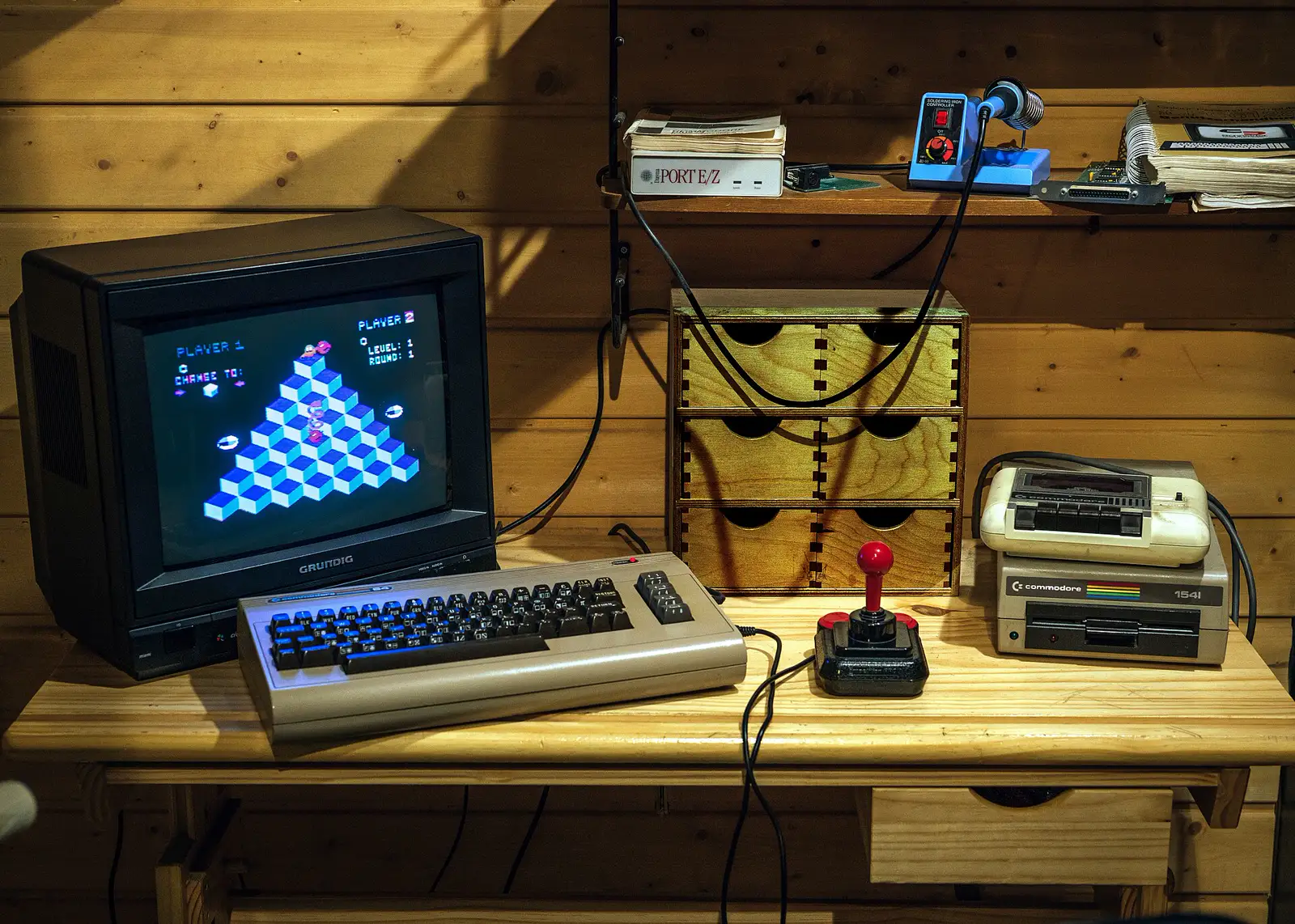
Here is my timeline of tinkering, and some of the projects and skills I have taught myself over the years. I have always been interested in computers. When I was about 12, we got a Commodore 64, and I thought it was the coolest thing I had ever seen. No, I did not take it apart and try to re-engineer it! But I did teach myself how to use it and how to dial up AOL and connect to the internet. Wow, what a concept. I could save a file on a floppy disk, and ten minutes later I could load it back onto my computer. It was awesome, and it started a lifelong love of computers and programming that has carried into almost everything I've done since.
In high school, I loved sports and the elective classes and hated the core subjects. Math was a bore, but I was good at it. English was a complete waste of time in my opinion back then, and social studies put me to sleep. But computer programming, welding, wood shop and P.E. interested me, especially computer programming.
My first tinkering project in high school was a program I wrote in assembler for the middle and elementary school library. It was a states and capitals game where you matched each state to its capital, or vice versa, and it gave you a score at the end. It took me about eight months of coding, and when I printed out the assembler code, it was about a ream of paper! I loved it, and it stayed in the library for future students for many years.
Keeping Clunkers on the Road
I moved out of the house in the middle of high school. After hitchhiking to a lot of jobs trying to support myself, it became very apparent that a car would help. With my money situation, I was going to have to be resourceful, and tinkering came to the rescue again.
I had a few clunkers in high school and my early college days. My first was a 1966 Ford Ranchero. It was a beast, and about the only thing it was really good for was hiding beer under the rear bed on the way to parties with my friends. The only way to keep cars like that on the road was, of course, tinkering with them, or in my case, fixing them. Engines were never my strong suit. I can do the basics, but I taught myself brakes, tires, suspension, control arms, lift kits, shocks, bumpers and more.

Later in life, I built several overland trucks for various campers and trailers, all from a little tinkering. The build I'm proudest of was a 2004 Toyota Tundra. I swapped out the upper control arms, sway bar, shocks and shackles, and it turned into a sleeper. It rode down the road so well!
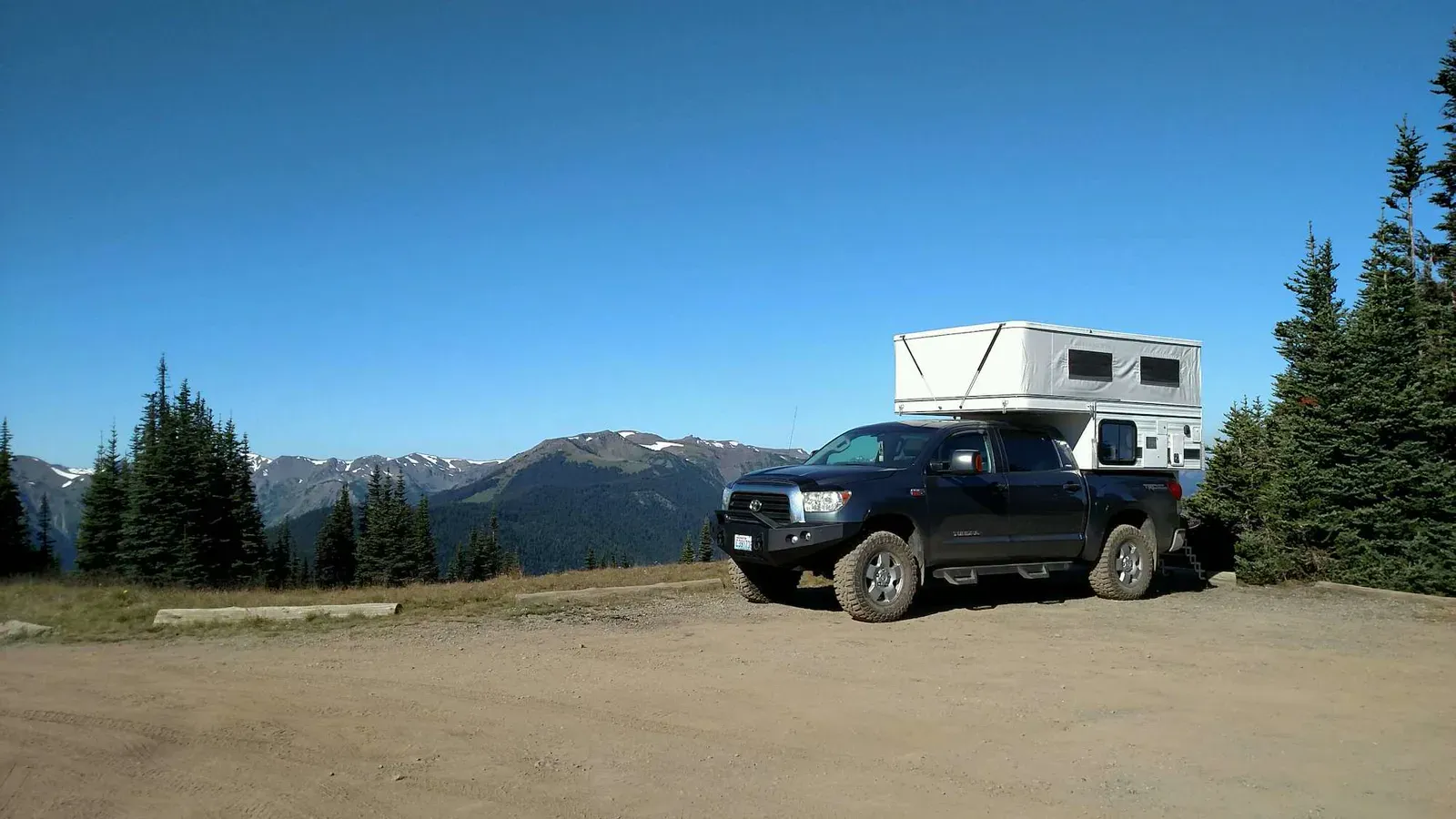
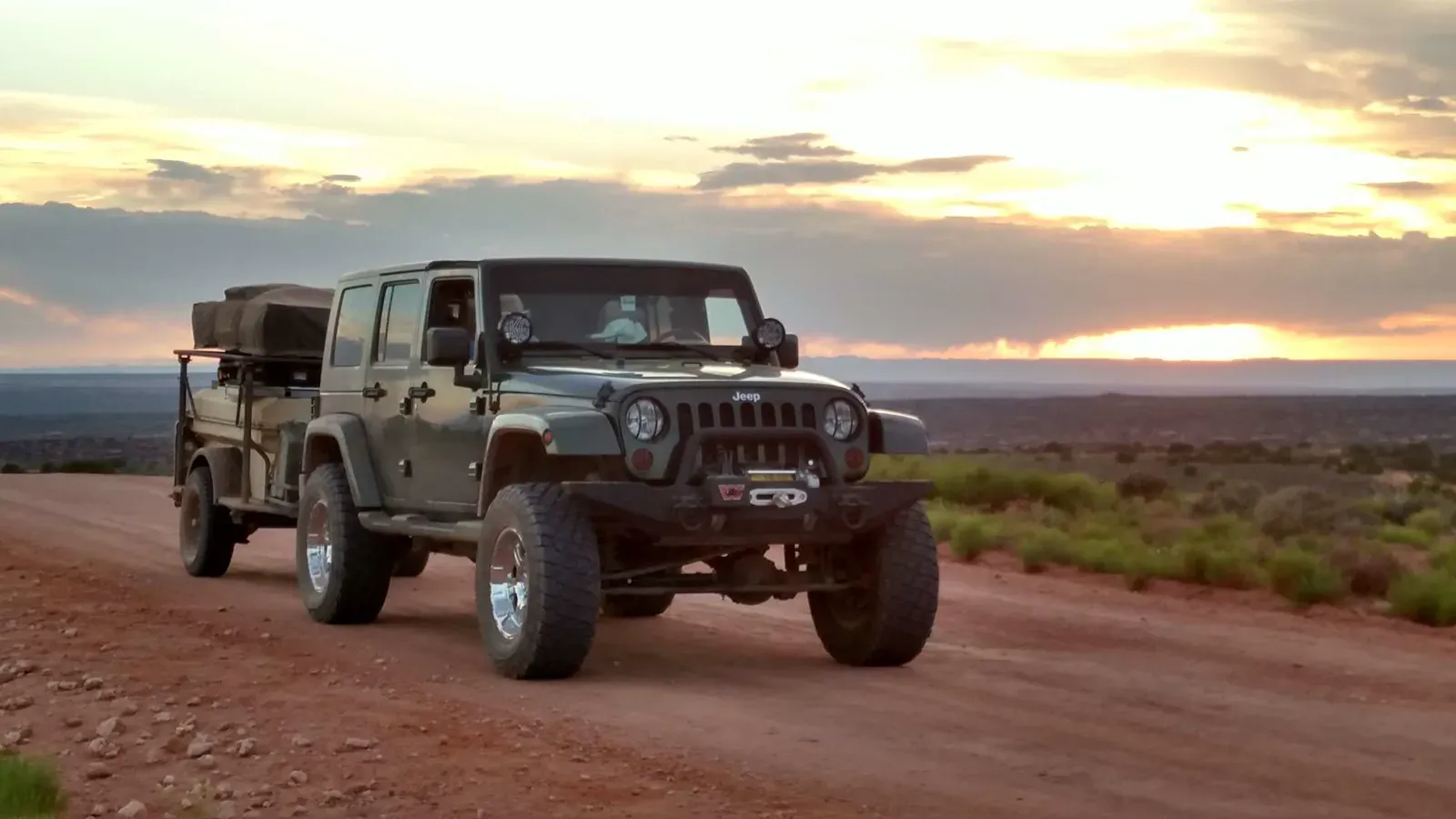
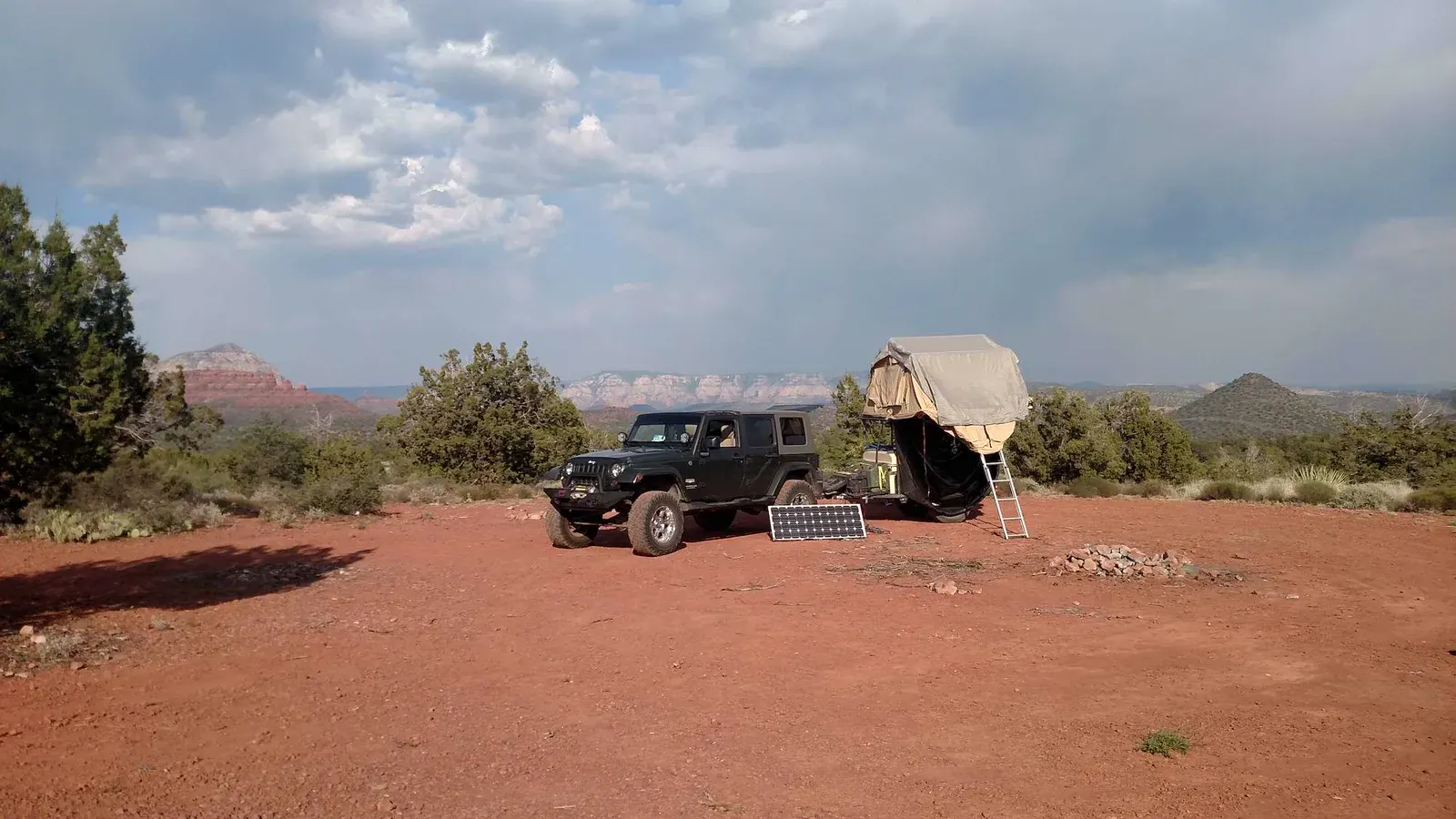
A few of my overland builds over the years.
The Homebrew Rabbit Hole
As a young adult, my wife Cheryl bought me a home beer-making kit for my birthday. It was the most basic kind, called an extract kit. You take a can of malt extract, mix it with hot water, boil in some hops, and a few weeks later you have beer. It was awesome, but it led me down a complete rabbit hole of homebrewing. I couldn't just stick with an extract kit. I had to build a full all-grain brewery, then a kegerator, then a fermenter, all self-taught and built from scraps around my house.
I made over 50 batches of beer on my homemade all-grain setup. All my friends and family loved my beer. One day we even held a blind taste test between my version of Alaskan Amber and the real thing, and mine won, which made me very proud.
But I couldn't stop there. One day I decided to automate it. I built a controller, moved from propane to all-electric, and started a new rabbit hole that continues today. Of course, it's computer controlled with a touch screen. I would never let my interest in computers go away. Yes, my brewery has some professional kettles, but the automation and plumbing are all my tinkering. You can see the new brewery going in on my YouTube short.
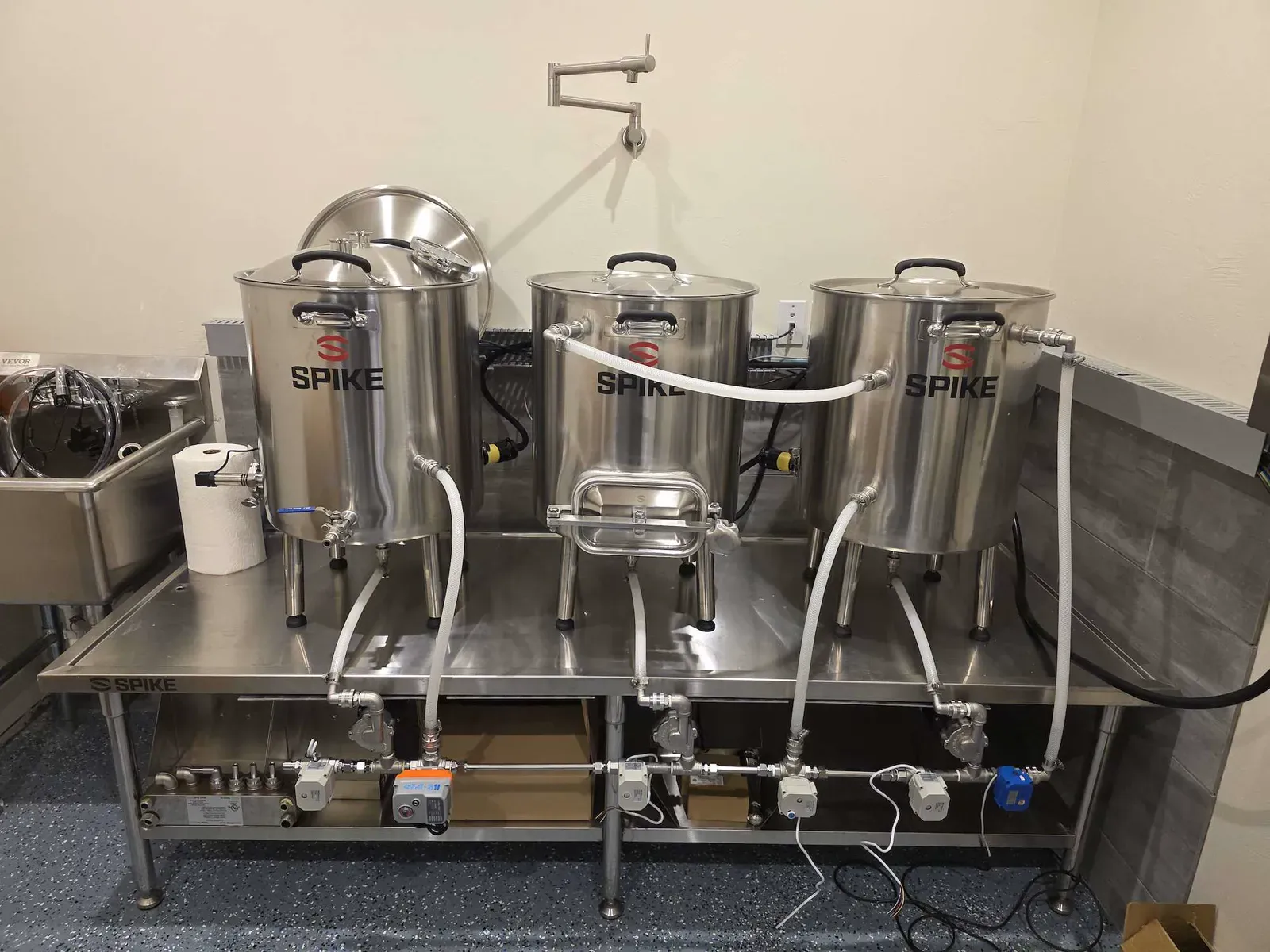
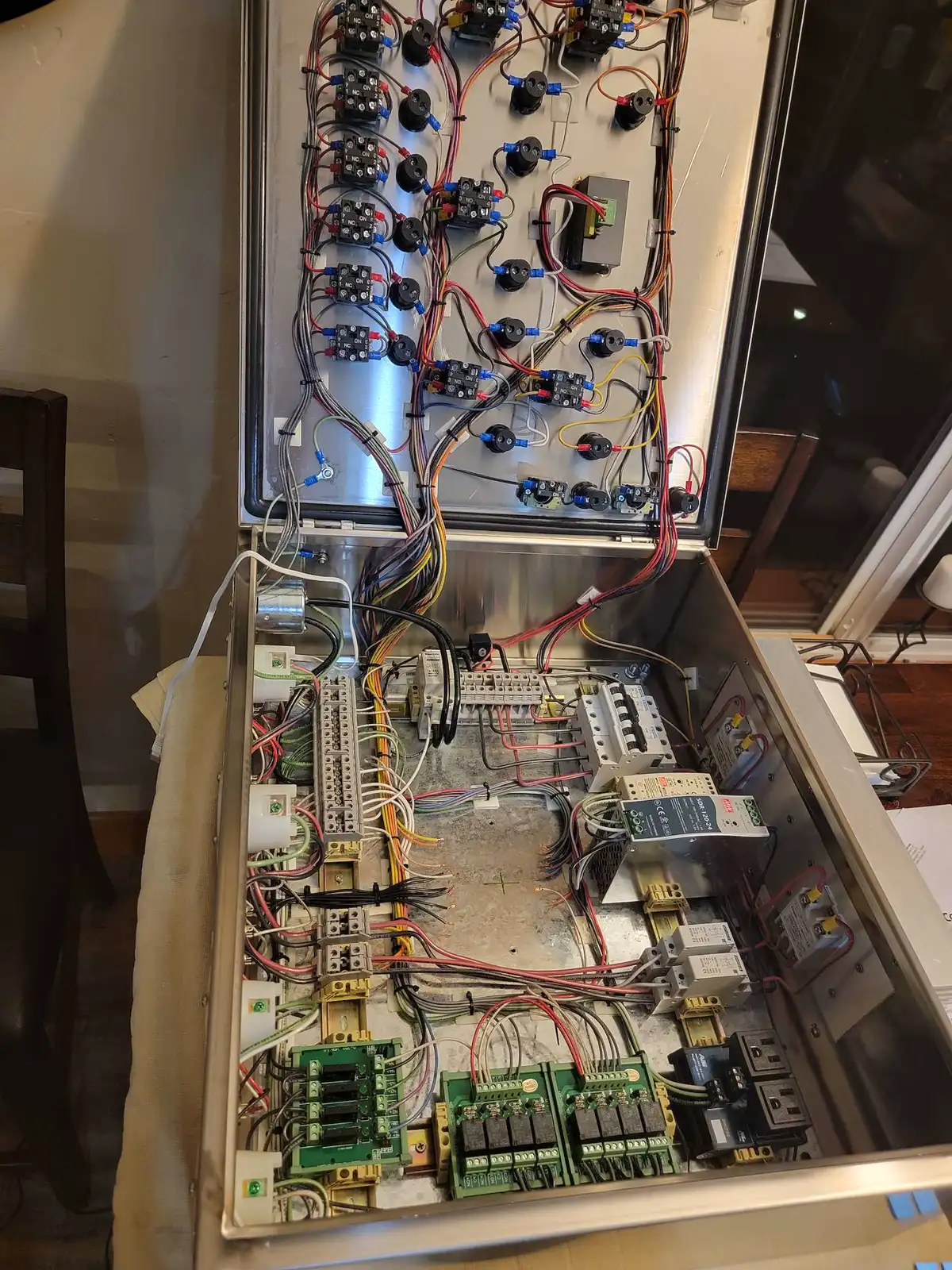
My brewery today: professional kettles with my own automation and plumbing, and the inside of the controller I built.
A tour of my automated home brewery: Spike kettles, my control panel and the touch-screen controller.
Ham Radio
Later in life, I became interested in ham radio. I'm not one to sit at the beginner stage of any new hobby, so within a couple of years I earned my Amateur Extra license and a 1x2 callsign, W7BR. Most people call me Backroads on the radio, a name that comes from another one of my passions, overlanding.
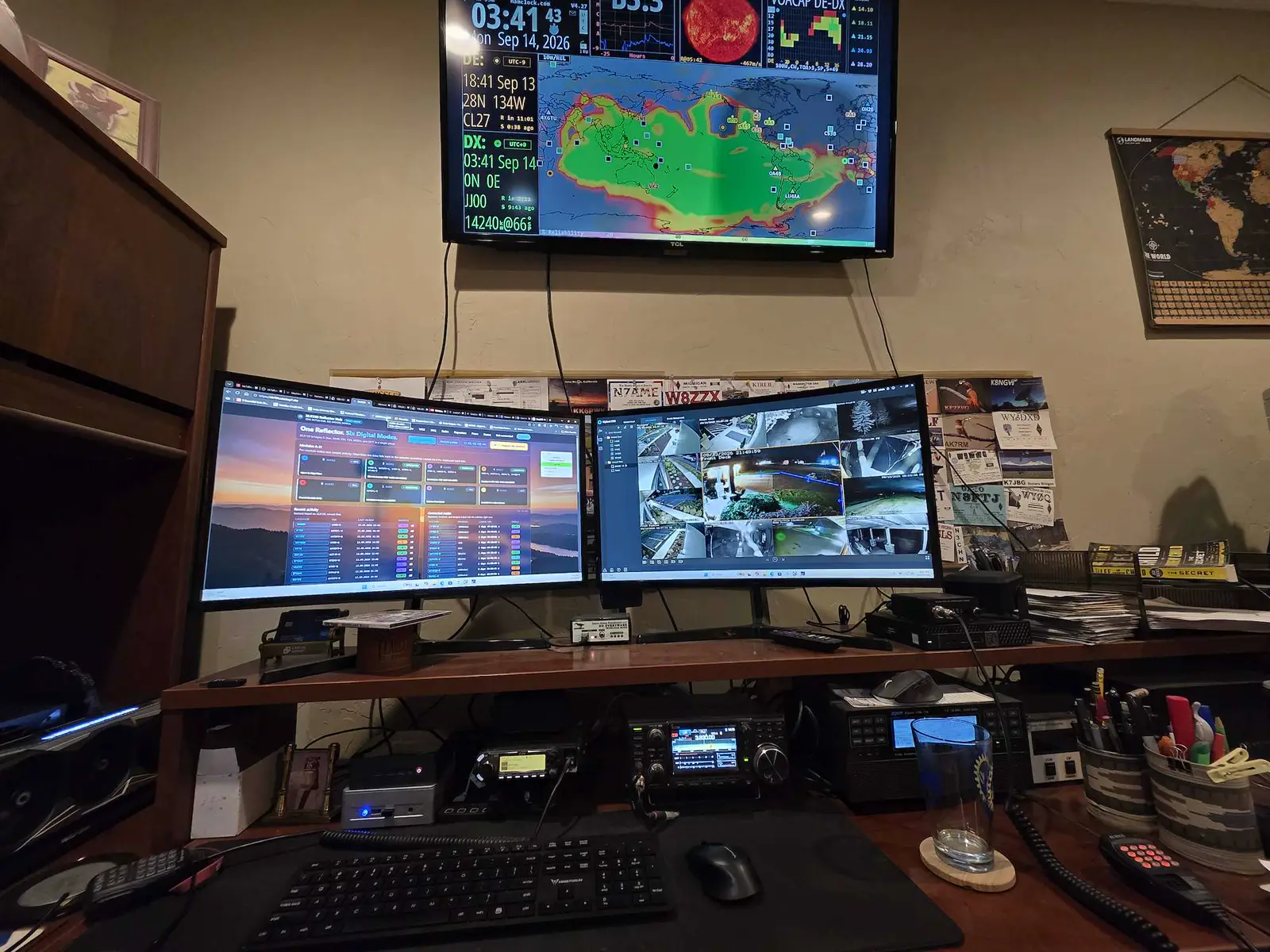
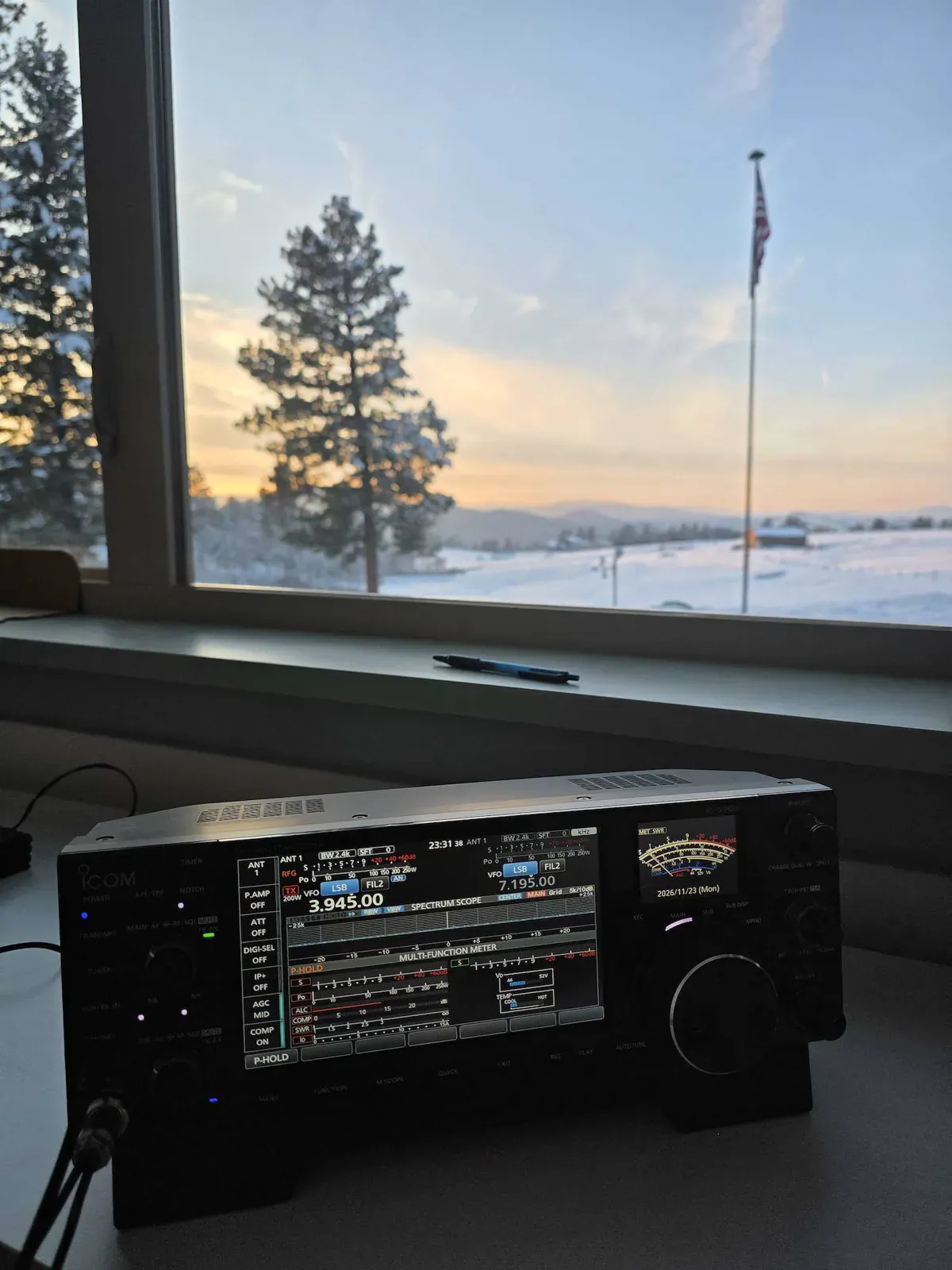
My ham shack.
I studied for my licenses on my own. Nobody was my Elmer, the ham word for a mentor, until after I had my Technician license. I was trying to learn APRS and found a local ham who had it installed on his RV, so I emailed him through his QRZ page. His name is Carl, K7CH, and he had been a ham for 60 years when I met him. We became friends instantly, and he has been my Elmer ever since. He has forgotten more about ham radio than I will ever tinker with.
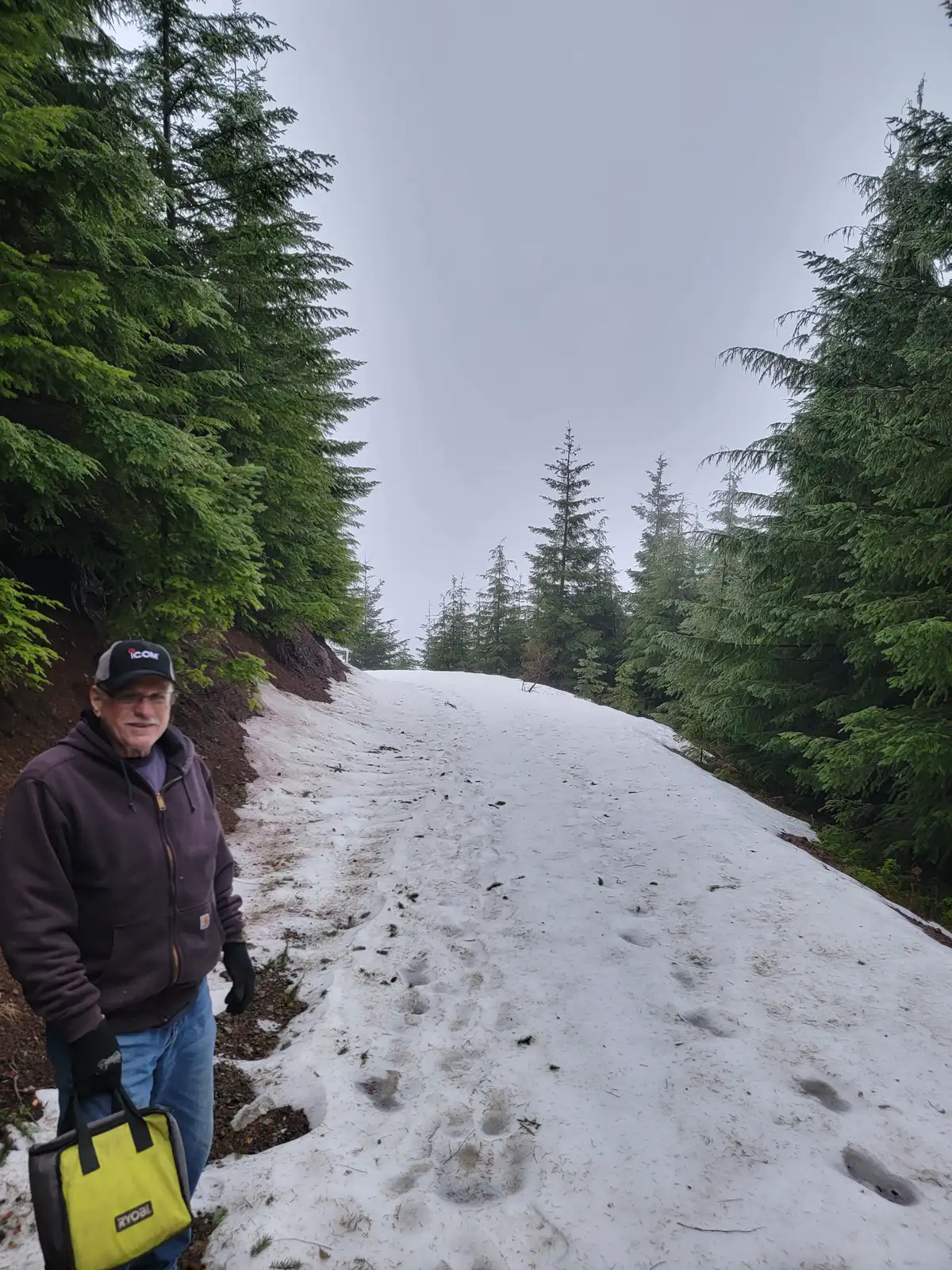
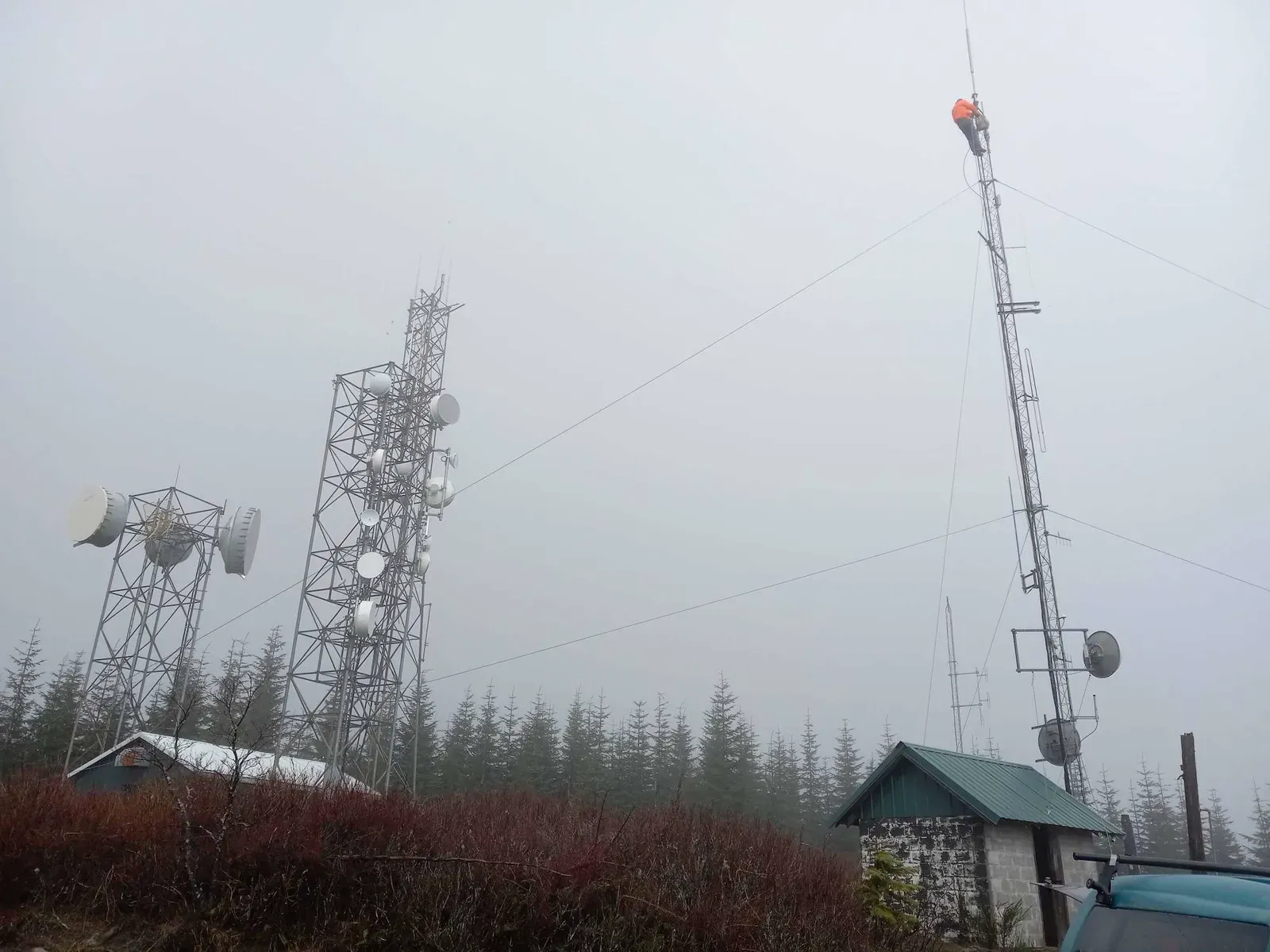
This time, it was Carl who wanted to learn something new. He suggested we put a D-STAR repeater up at his mountain site. I really don't think Carl knew at first what he was getting himself into, but between his repeater knowledge and me teaching myself Linux, we put two D-STAR repeaters on the air within six months.
Once again, my interest in computers and ham radio collided. I eventually designed a reflector that connects six different ham radio modes, so users on different modes can have a QSO, or conversation, together. The reflector is xlx159.whiskey7.site, and I designed and built it with my agents (more on that later). I then added a Get Connected page that helps new hams connect a radio to a hotspot so they can get onto a repeater or reflector. Today, Carl and I run and monitor two repeater sites, an XLX reflector, three AllStar nodes and a TGIF talkgroup, among other things. Again, just a little tinkering.
My Get Connected walkthrough on YouTube.
The Home Lab
All that Linux I taught myself for the repeaters grew into a home lab. I bought four Dell servers at auctions and set them up as Proxmox machines, all tied together over a virtual private network I put together. On the ham radio side, they run the D-STAR gateway software for each repeater, g2_link to link both repeaters to our XLX reflector, the XLX backend itself and an AllStar node. On the home lab side, they run my Hermes Agent VM, a backup server, some Docker containers and a few Windows machines I use for learning and testing different setups.
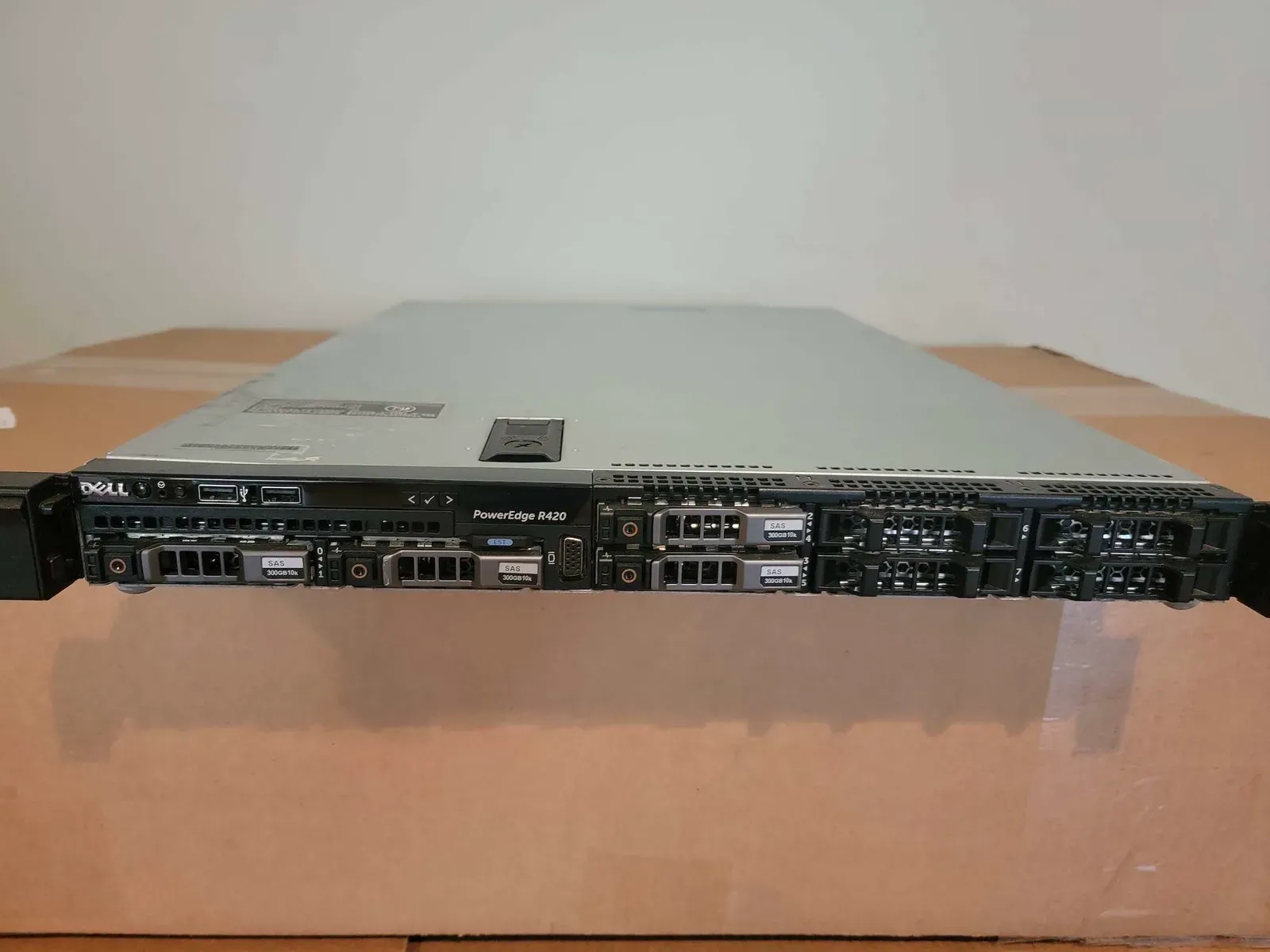
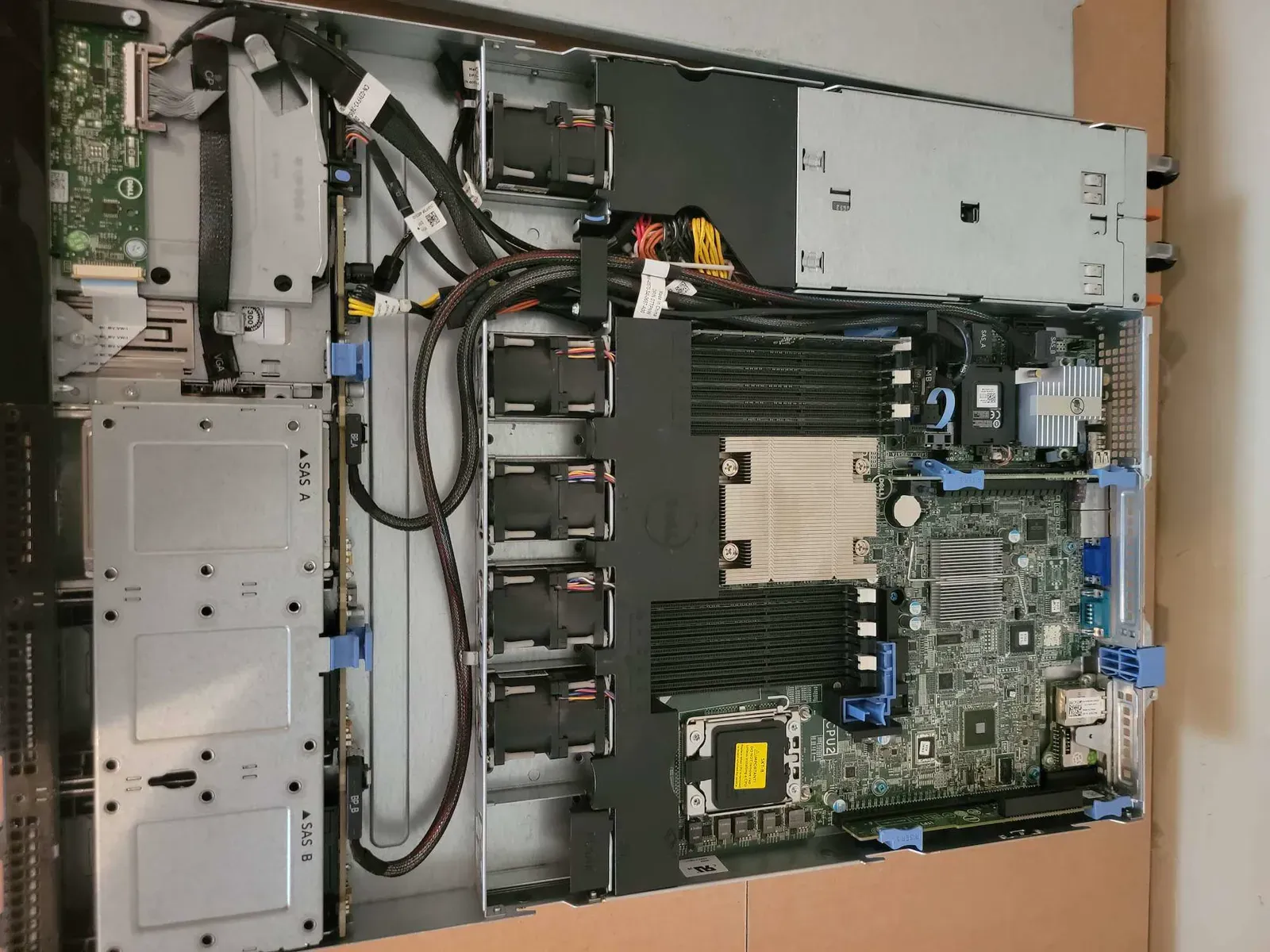
One of my auction Dell servers, outside and in.
Woodworking
I love woodworking and have tinkered in that too, from building a cabin in Packwood to finishing the inside of our new ranch house in Montana. I have taught myself to build cabinets, install flooring, do trim work, do some basic framing, paint, stain and more. I'm lucky to have a lot of friends who are great DIYers too. Two of my best friends, Robin and Marty, helped me build the Packwood cabin.
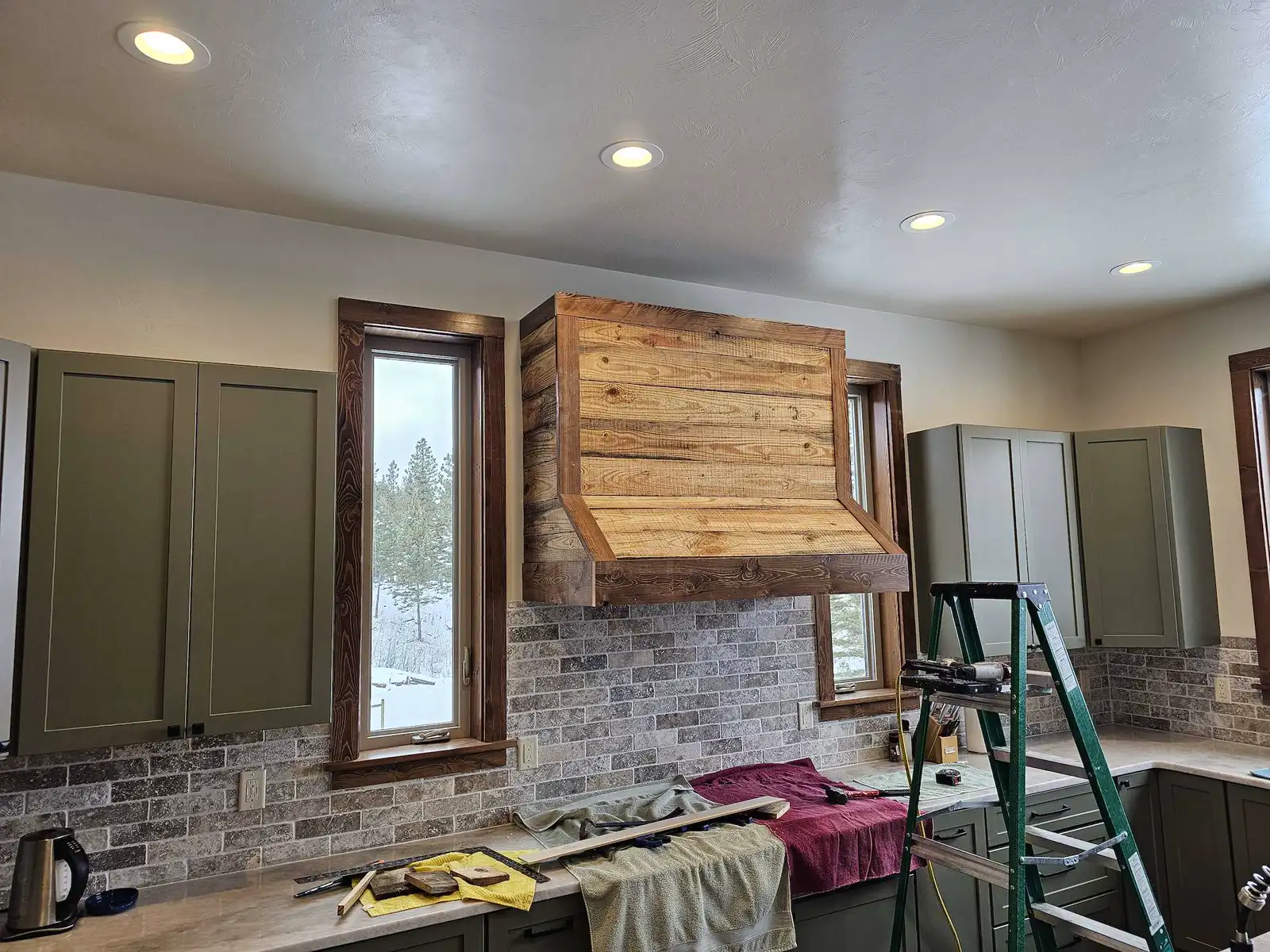
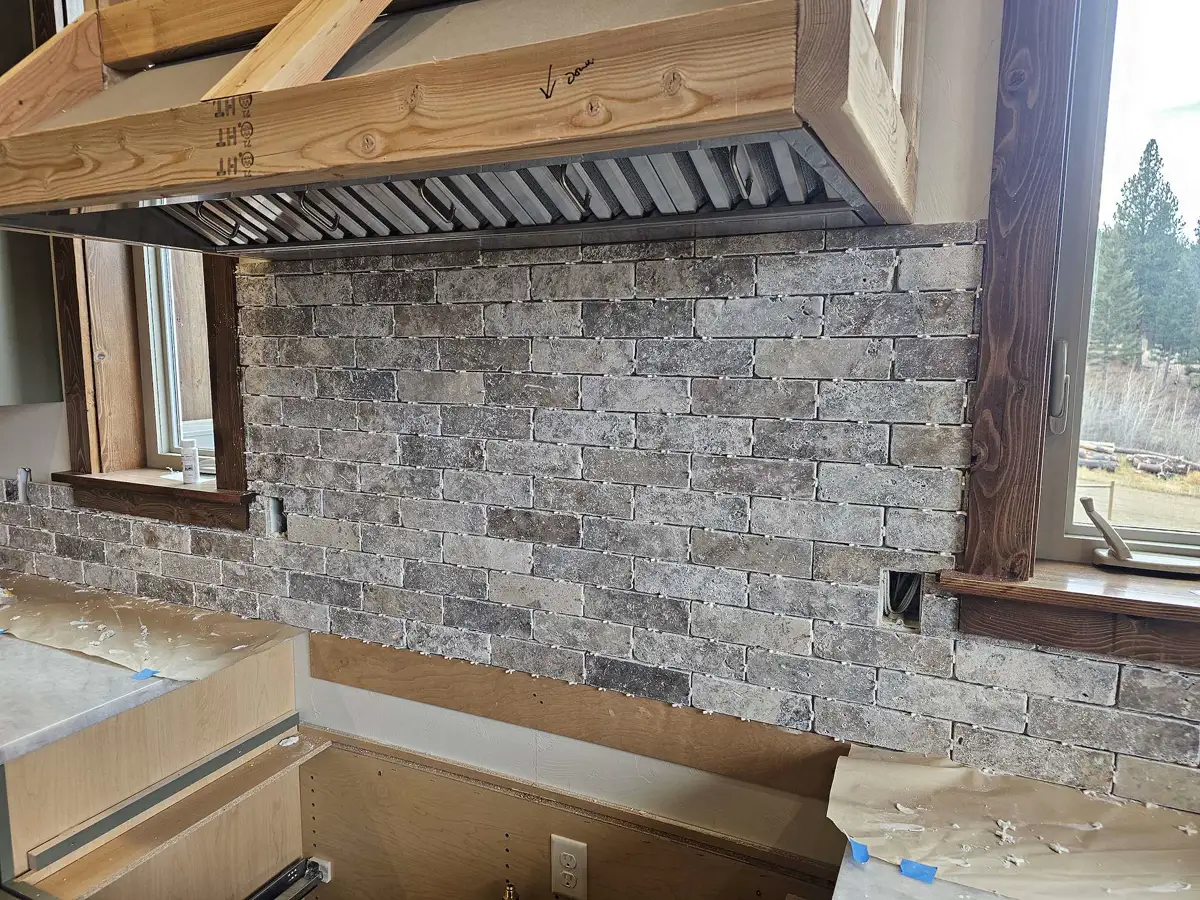
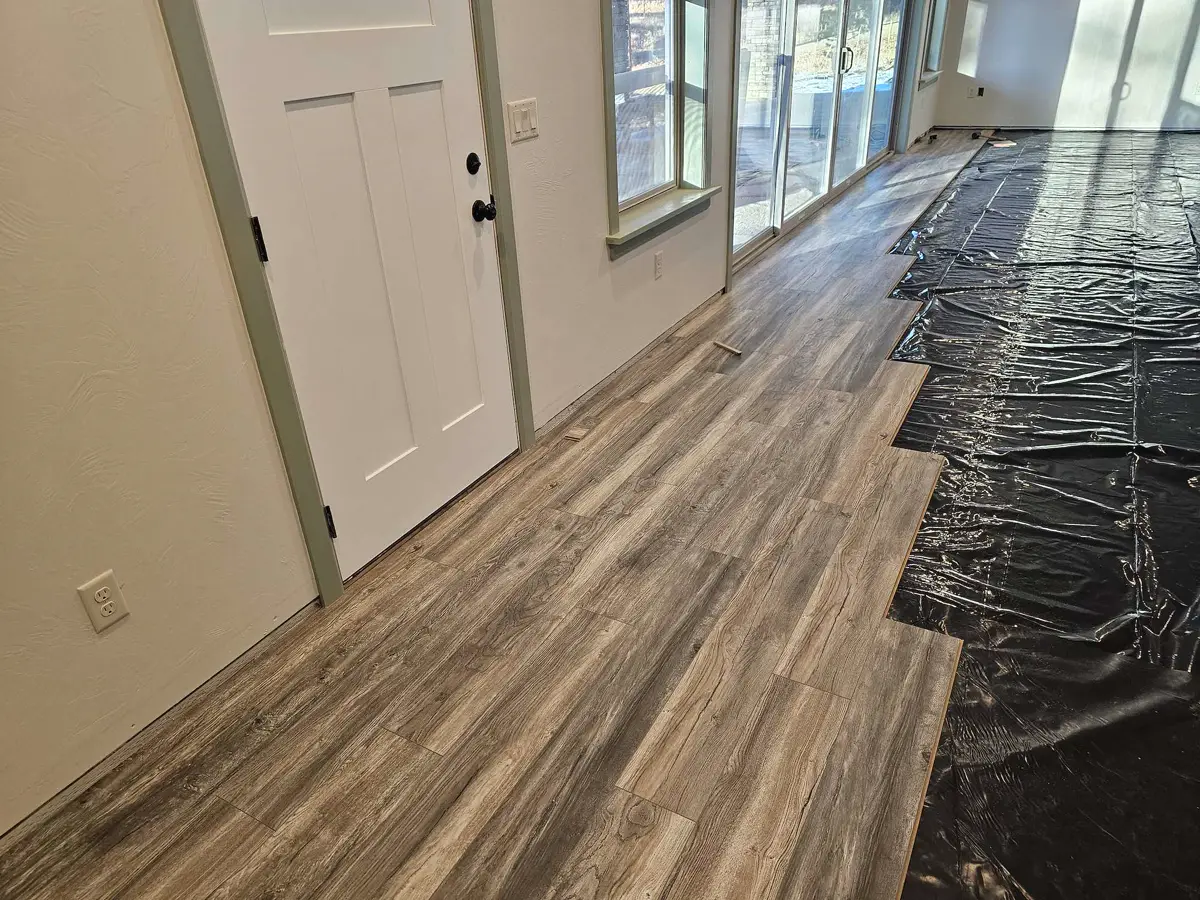
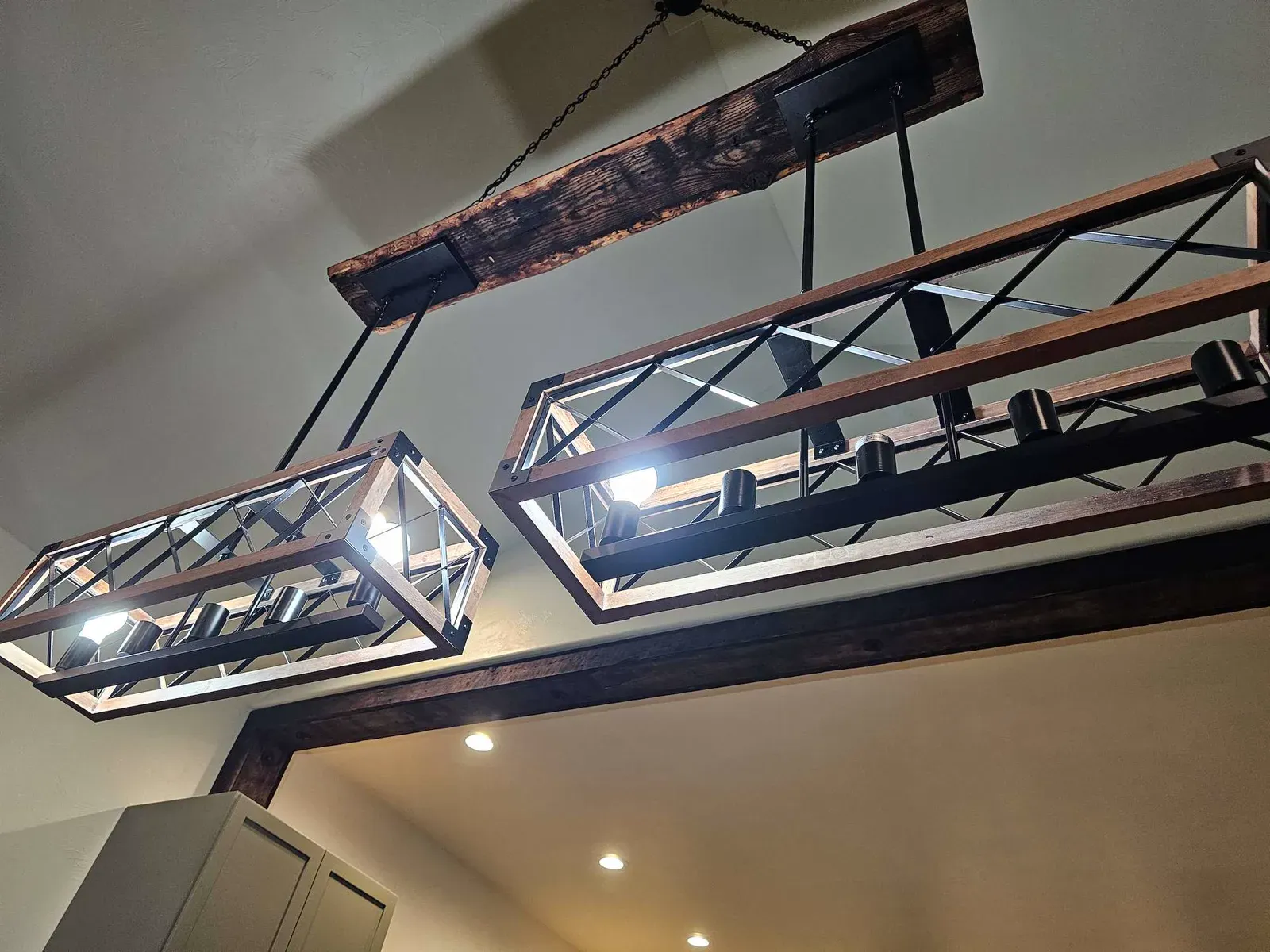
Woodworking inside our new ranch house in Montana.
A walk through the ranch house kitchen: the cabinets, wood range hood and trim.
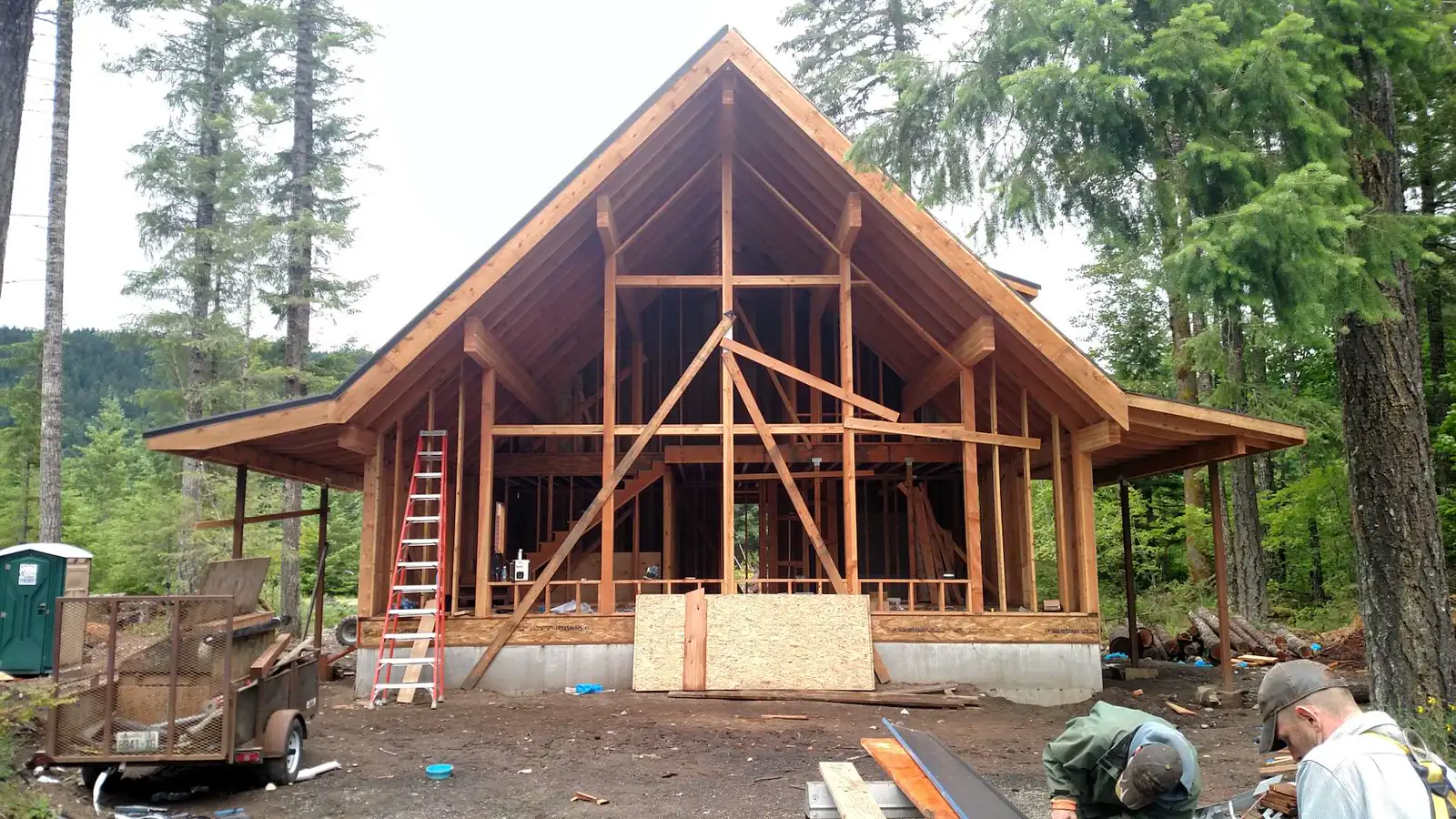
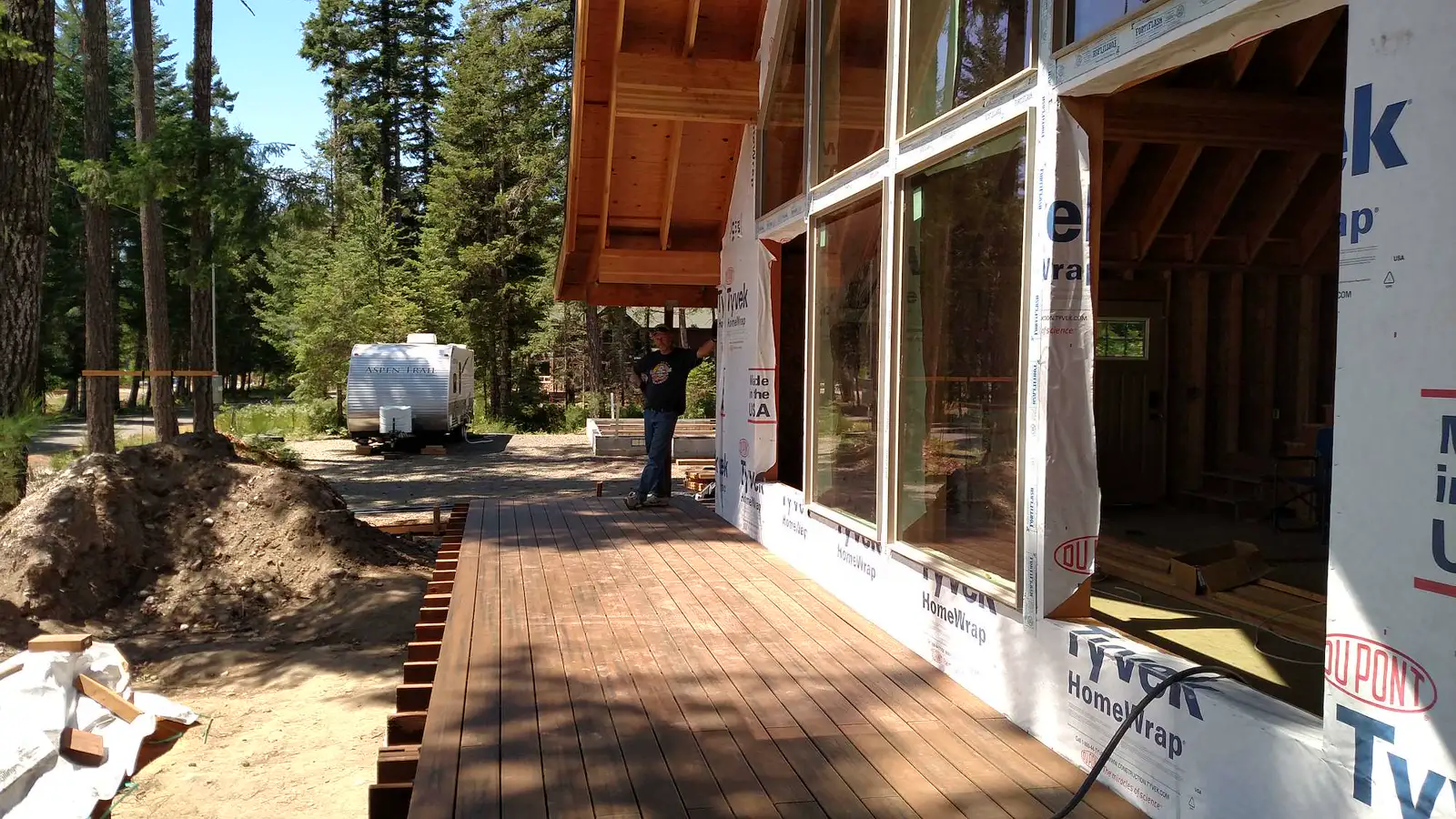
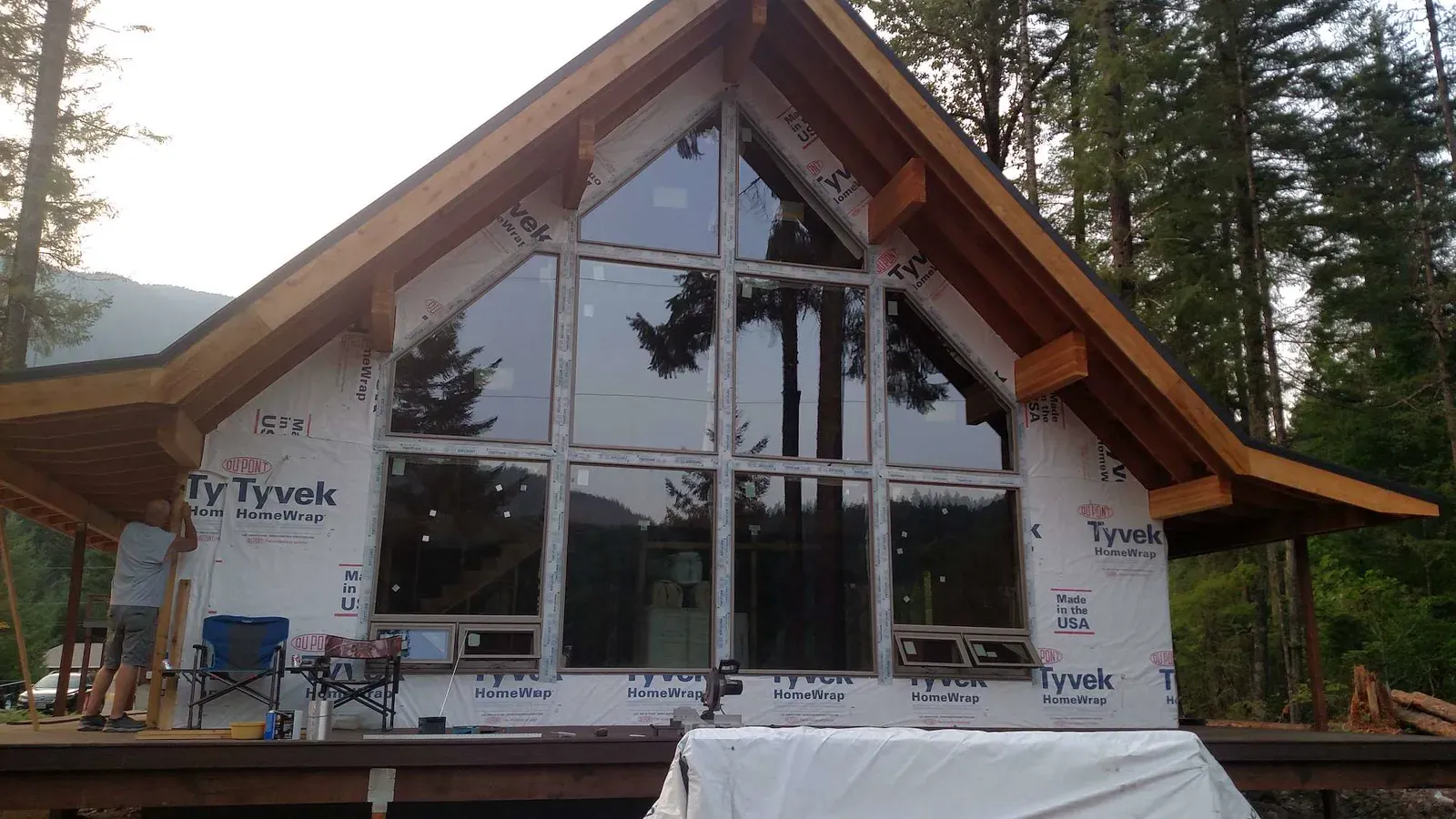
Building the Packwood cabin.
I've also built some very high-end tables for my office and my house. Woodworking is a hobby I intend to expand on in retirement, which is coming up soon. Now I just need to find a way to add some computer parts to a table... Here is my slab jig in action, and the kitchen vent hood and distressed fireplace mantle from the ranch house build.
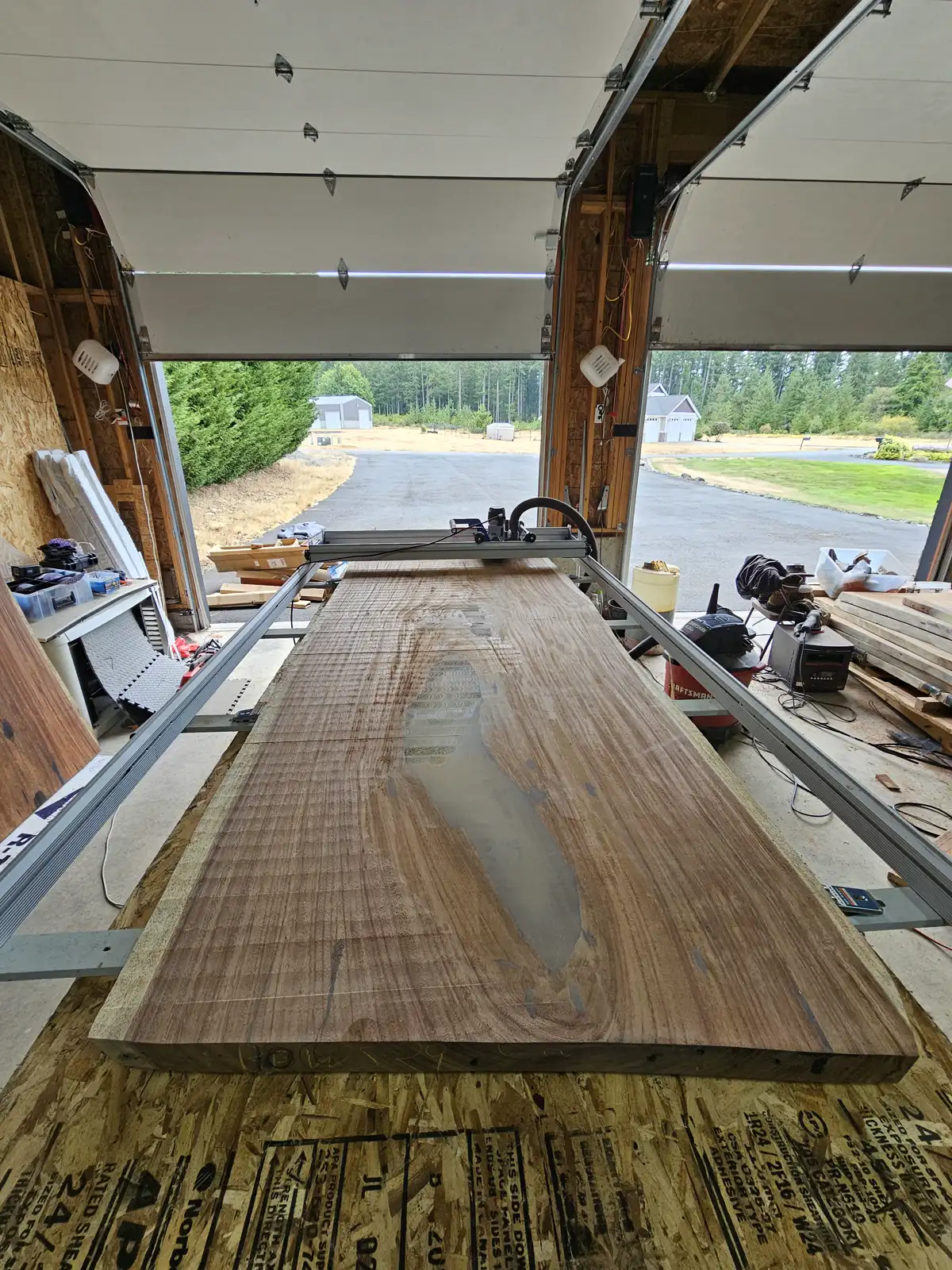
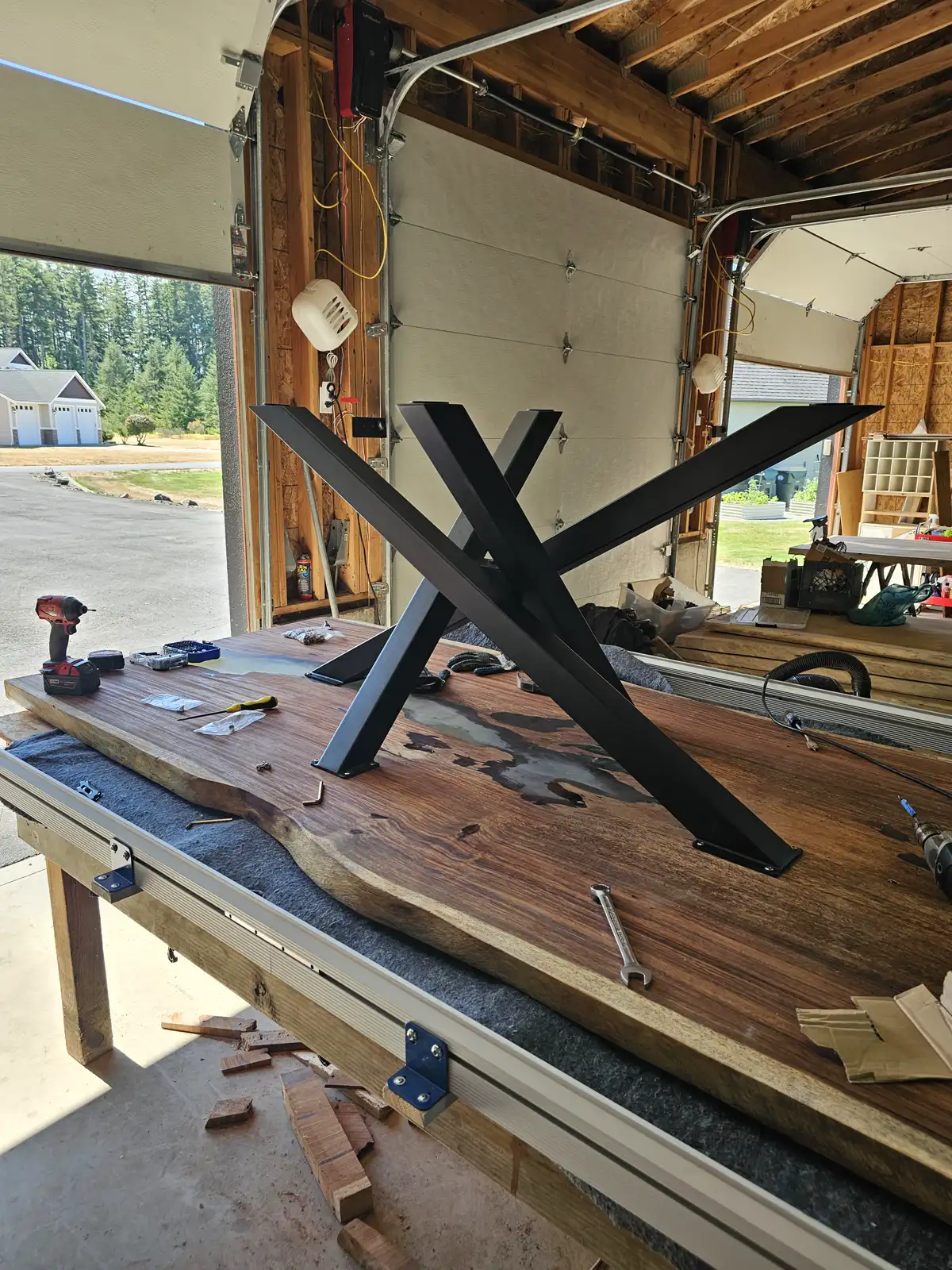
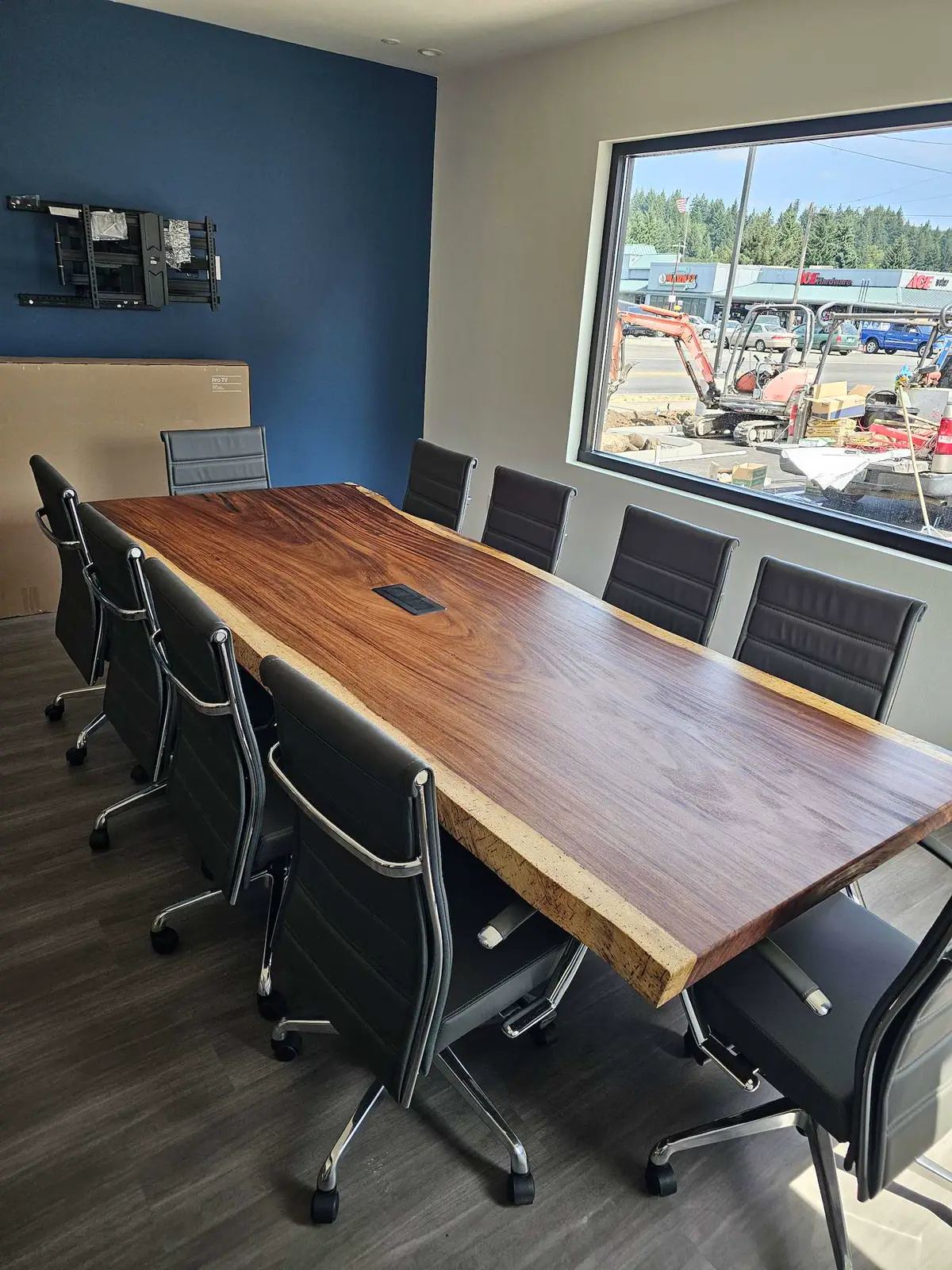
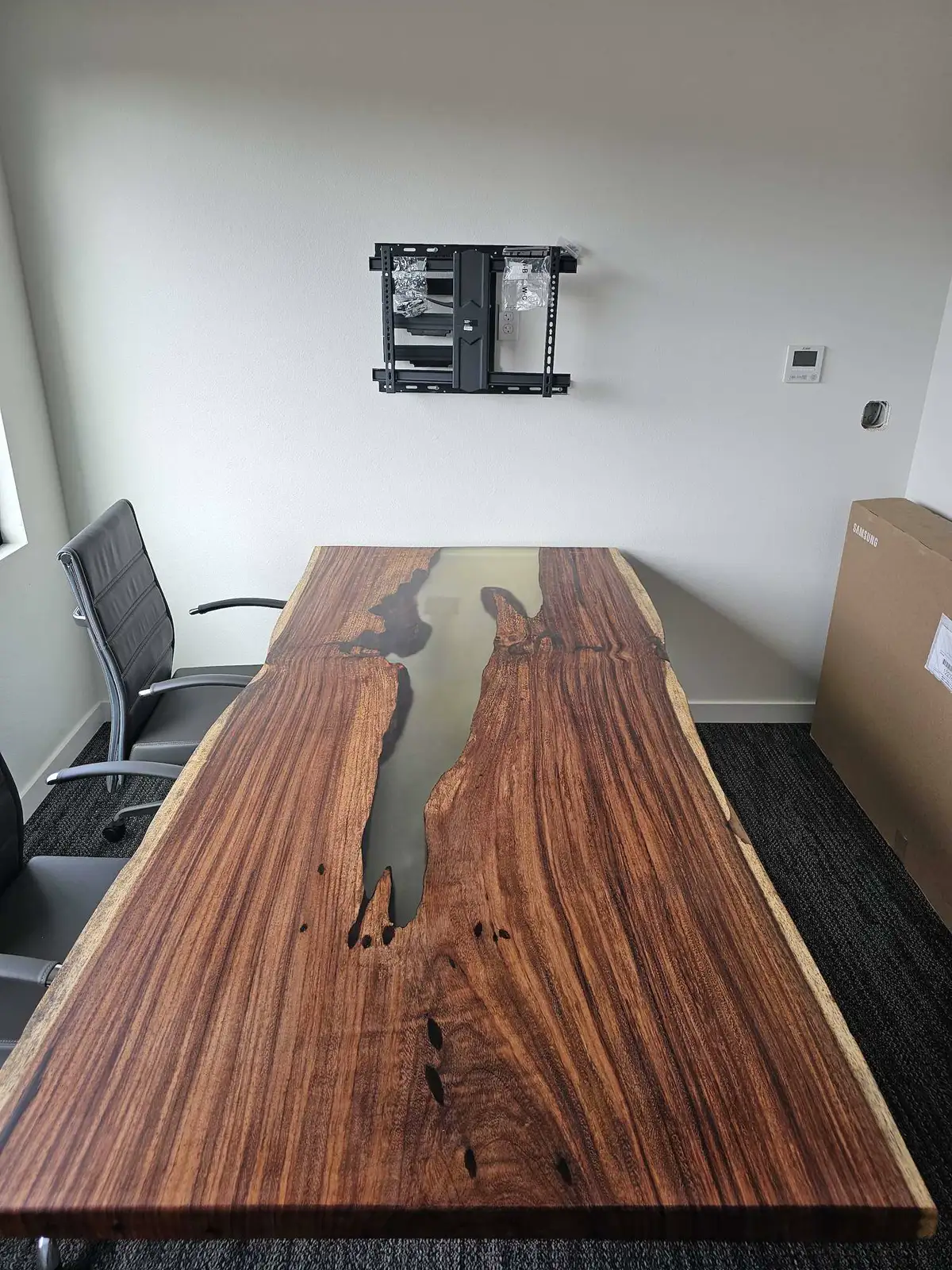
Flattening a slab on my jig and mounting the legs, plus a couple of the tables I have built.
Oiling the river table in the shop.
The finished river table.
Building AI Servers
My latest projects have been building computers. I have built a lot of computers over the years, but the last two are very special. First, I bought a Minisforum mini server and connected a couple of OCuLink GPU docks. Then I bought two RTX 4070 Ti 16 GB GPUs to run AI models on. It worked great and is super fast, but I couldn't stop there. It was so much fun that I decided to build a full server from the ground up.
The small AI server: a Minisforum mini PC with two RTX 4070 Ti cards on OCuLink docks, running a local model.
After a lot of research, I sourced a custom frame and a server motherboard, then installed the power supply, CPU, cooler, RAM and SSD drives. Then I added two new, larger AMD R9700 32 GB GPUs, and now I have what I call my large AI server. The smaller machine is my fast Windows AI server, but it is capped at 32 GB of GPU memory (VRAM) before it has to spill over into regular system RAM. The large AI server has 64 GB of VRAM, with another 96 GB of system RAM behind it if needed.
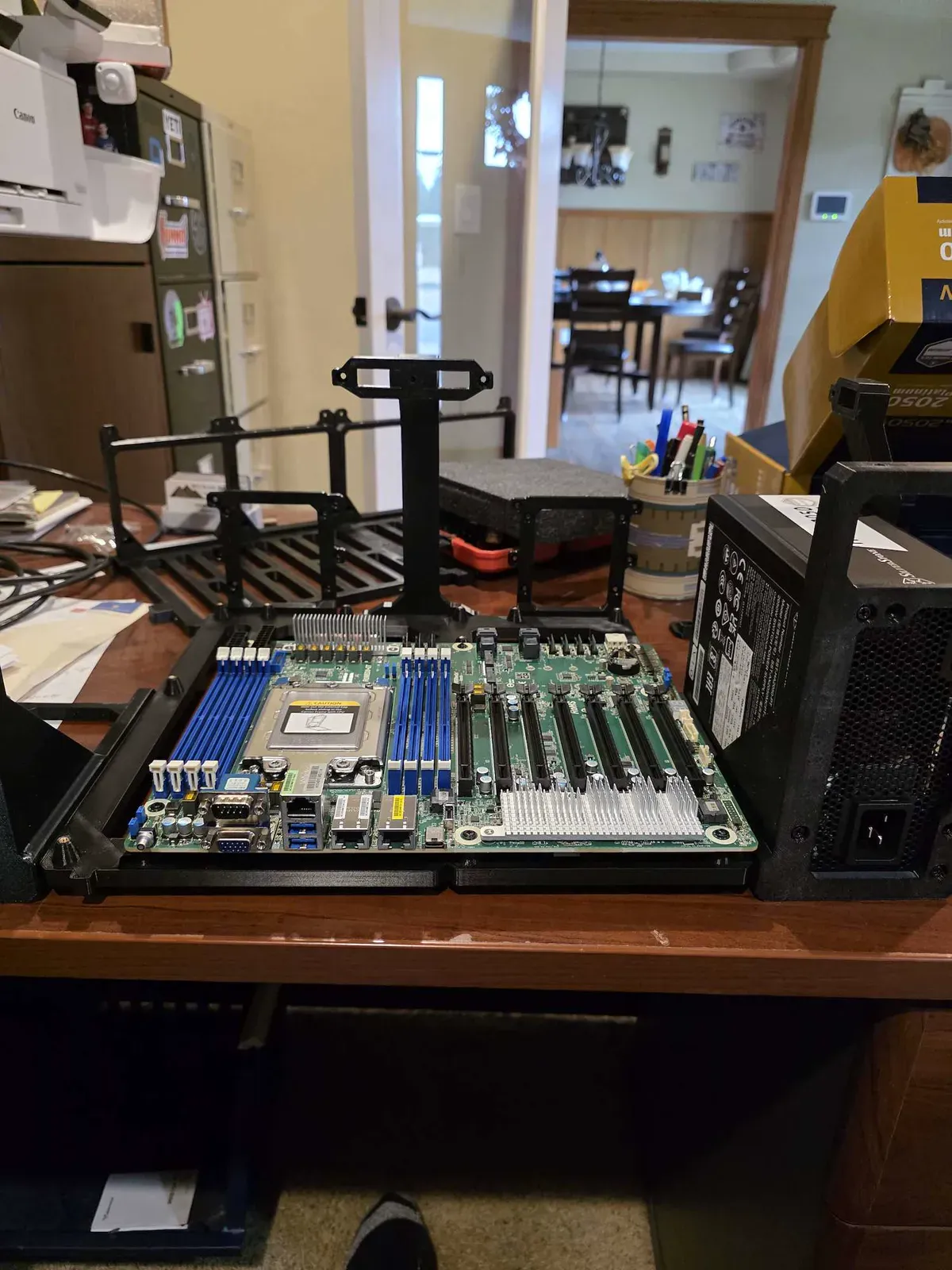
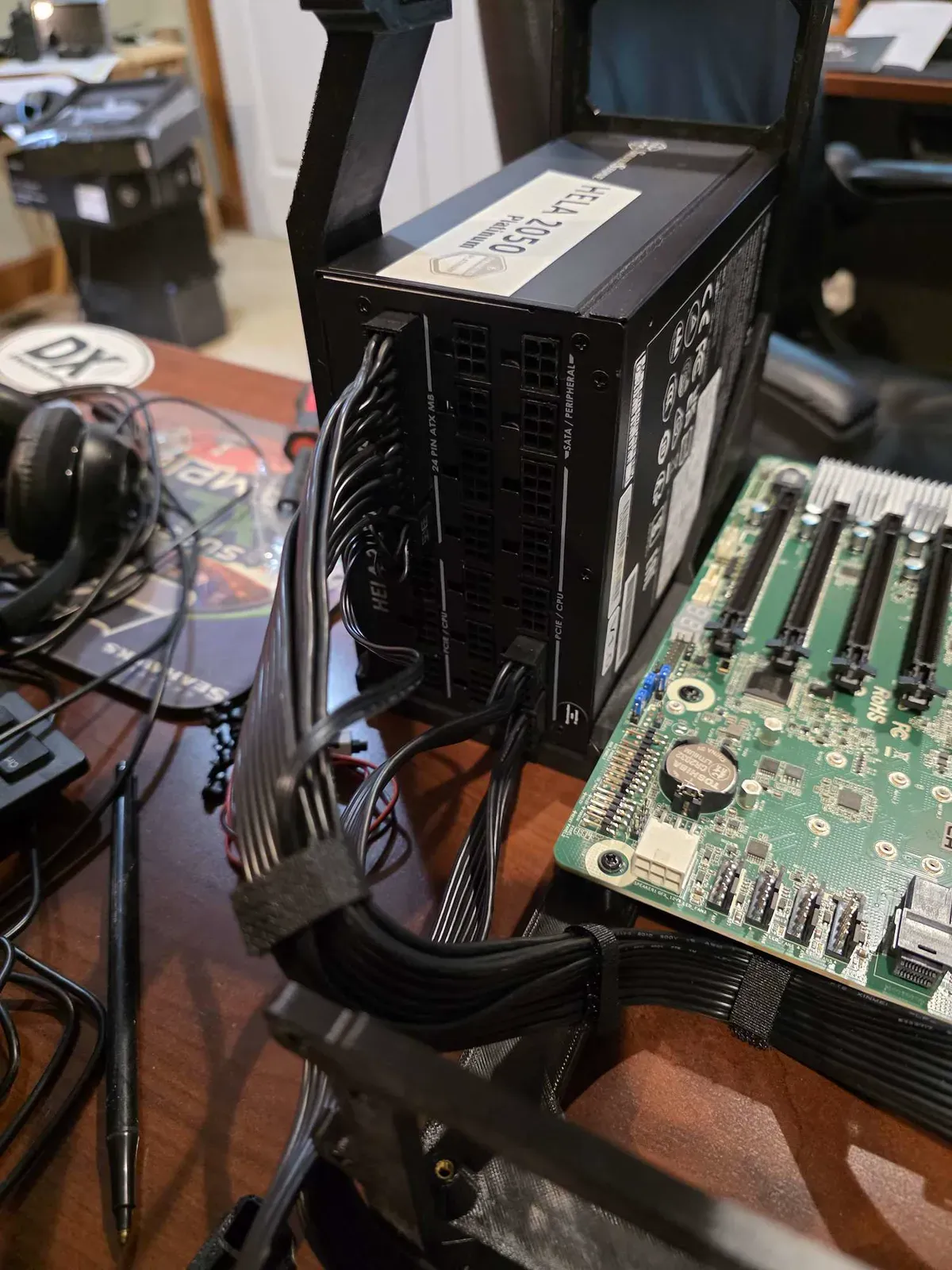
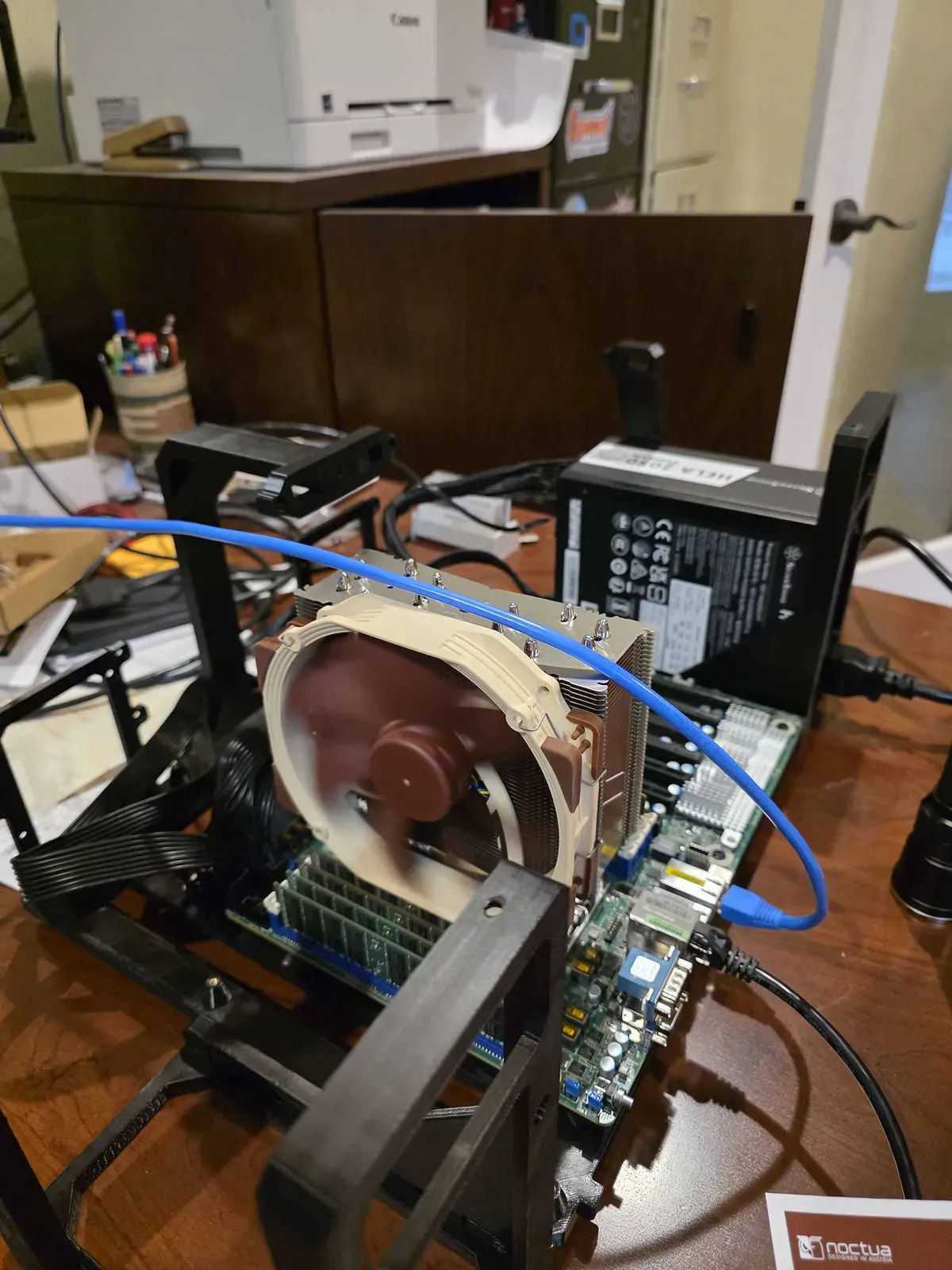
Building the large AI server.
My Agents
Earlier I mentioned my agents. My interest in computers has led me down the path of AI and AI agents. I use Hermes Agent a lot, and I also have subscriptions to ChatGPT, Claude and Gemini. I use my agents to teach me things about computers. What once took me months of reading to teach myself, my agents can teach me in an afternoon. I use them to build websites and update them when necessary, and to monitor my ham radio and home lab infrastructure. Lately, they have been watching my email for spam and deleting it for me (with my OK, of course).
The new XLX159 dashboard is a good example of what an agent can do. I had the vision, my agent did the coding, and after a couple of different versions, we ended up with our current dashboard.
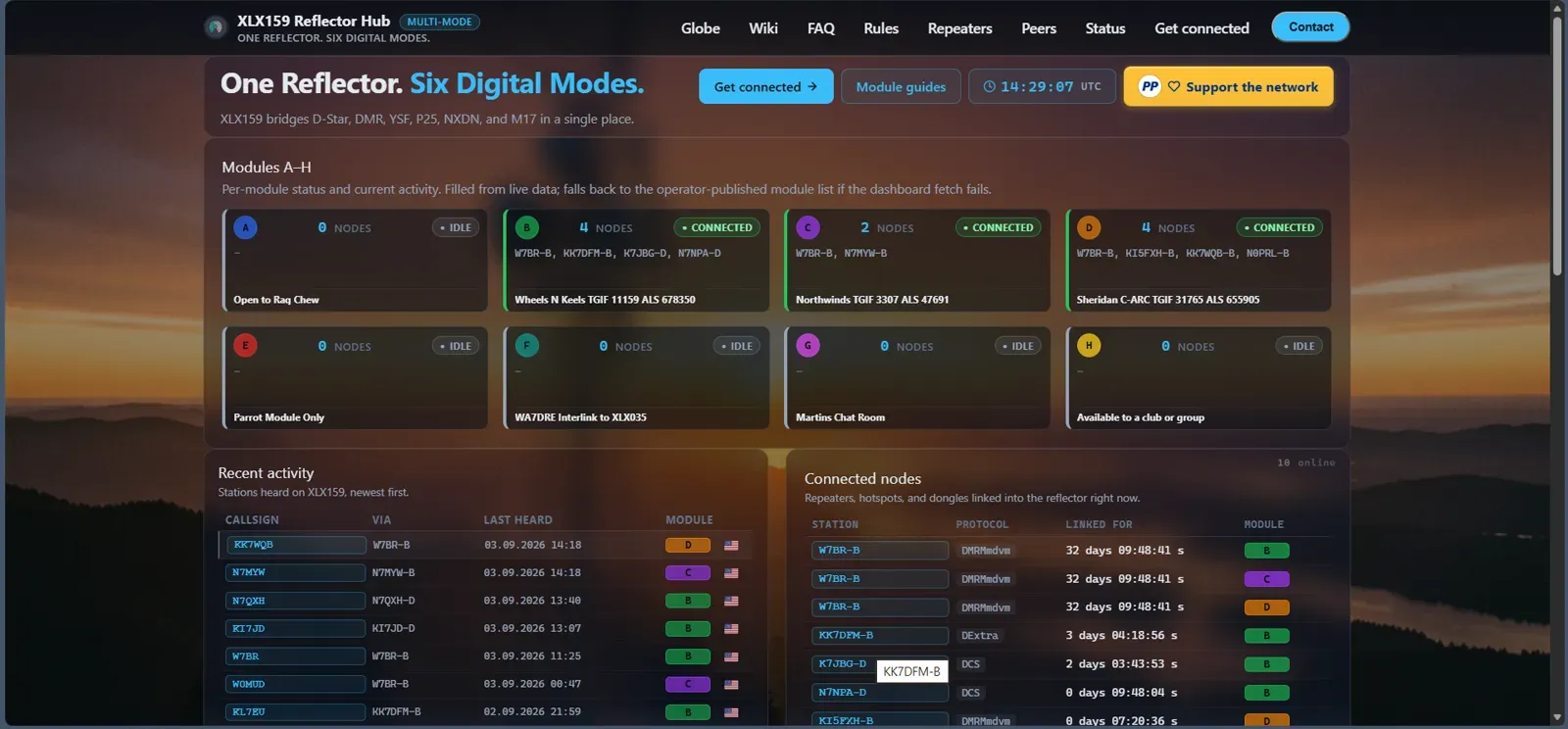
A tour of the new XLX159 dashboard on YouTube.
AI has a lot of good and bad to offer, just like that Commodore 64 did 40 years ago. I love to tinker, so when a new computer-related subject comes out, I will be one of the first to explore it and tinker with it.
Tinker On
So, in closing, here is my advice to my friends reading my blog. Don't be afraid to tinker. Find something that interests you and tinker with it. With some guardrails and caution, tinkering keeps the mind engaged, and you might discover something you never thought you would enjoy doing. Tinkering has served me well over the years, and I will always keep doing it. You can find more of my projects on my YouTube channel.
Tinker on!
Brent
About the Author
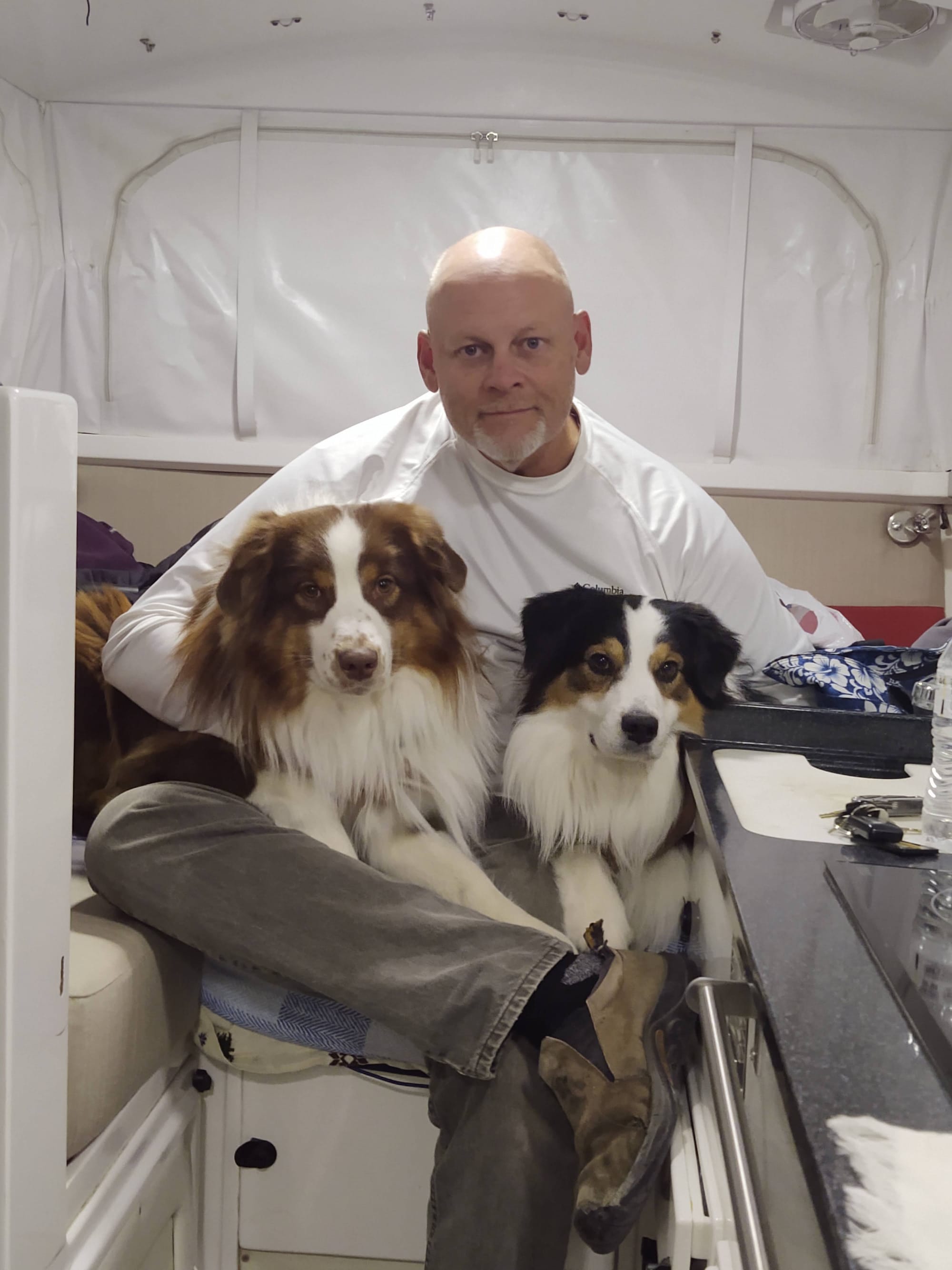
Brent Conklin, W7BR
Owner of Whiskey7backroads and avid explorer. I am an Amateur Extra class ham radio operator and run the XLX159 reflector.