

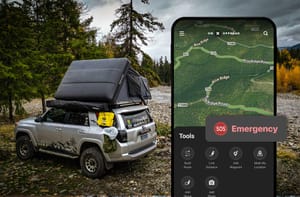
onX added a $49.99/year SOS button to the same app you already use to plan routes. I walked the chain from button to coordinator — and checked it against the Garmin inReach I carry on every trip.
The button landed on July 14. I want to like this. I really do.
That's the right place to start, because the overlanding crowd has been burned by enough "game-changing" products; the cynicism is earned.
onX is the same app I have open on the iPad between the seats every time the road turns to gravel. It shows me the section lines, the BLM in-holdings, the gate that somebody painted a no-trespassing skull on last fall. It draws the line between a road that ends in a meadow and one that ends in a cliff. It is the closest thing to a backcountry dashboard we have.
So when onX announced on July 14, 2026 that it had bolted an SOS feature onto the same app — $49.99 a year, powered by Overwatch x Rescue, no new device to charge — the first thing I felt was relief. The second was skepticism.
I'm a skeptic by trade. 26 years of buying outdoor gear teaches you that.
Relief because: most of us are already paying for one of the onX apps. Most of us have a phone in our pocket. Most of the off-grid emergencies I have read about on the Overland Bound forum over the last five years did not happen to people carrying inReach units. They happened to people who thought they were just going "a little ways back in" — into the Magruder Corridor, or a Kaibab National Forest two-track, or a BLM dirt road west of the Continental Divide.
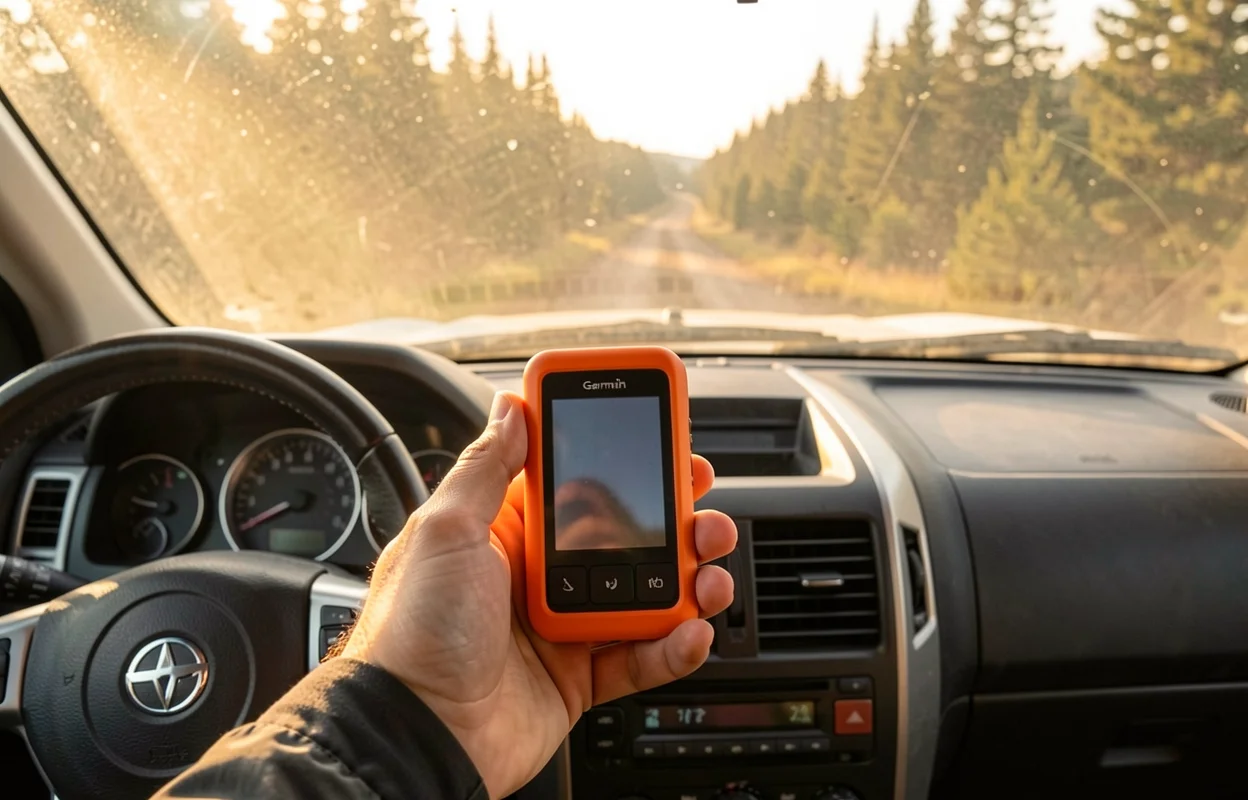
Skepticism because: I've been carrying a Garmin inReach Mini 2 since 2018. I've never pushed the SOS button. I have friends who have — a roll on the Magruder, a fuel-exhausted truck on the Black Rock desert, a snapped tibia in Wyoming. Every one involved a real satellite communicator, real two-way text, and a human coordinating the rescue. The inReach side works.
The question wasn't "is onX SOS good." The question was: when I am sitting in the cab at the trailhead about to turn onto a Forest Service 5000 road with no one for 30 miles — what does onX SOS actually do? And what does it not replace? If you haven't read my monsoon flash flood safety piece, read it before you head out this summer. SOS isn't the only safety system you need.
That's what this review is.
What onX SOS is, exactly
onX SOS is a $49.99/year add-on subscription you bolt onto an existing onX Offroad, onX Hunt, or onX Backcountry account. Onx launched it on July 14, 2026 in the first two apps, with Backcountry support promised later this summer.
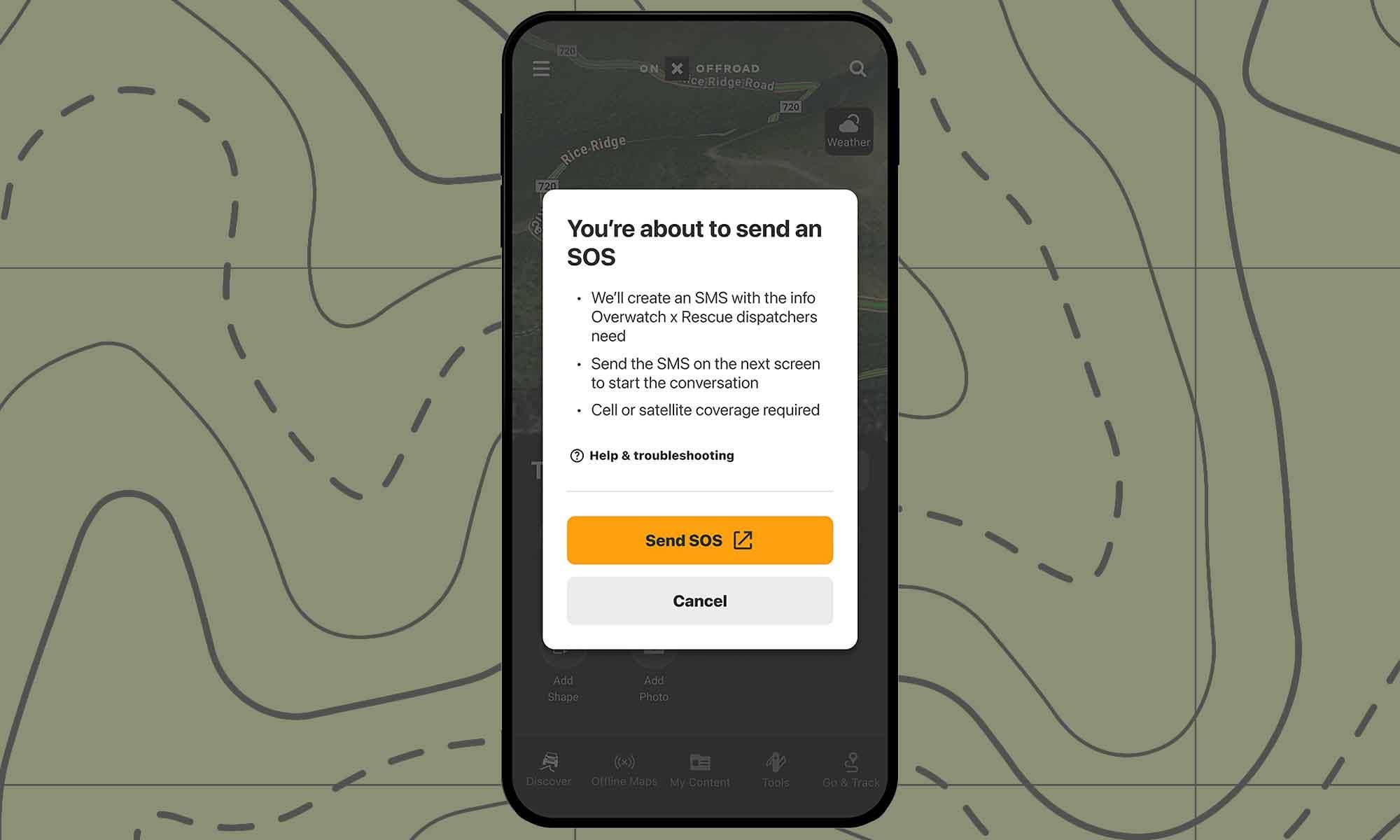
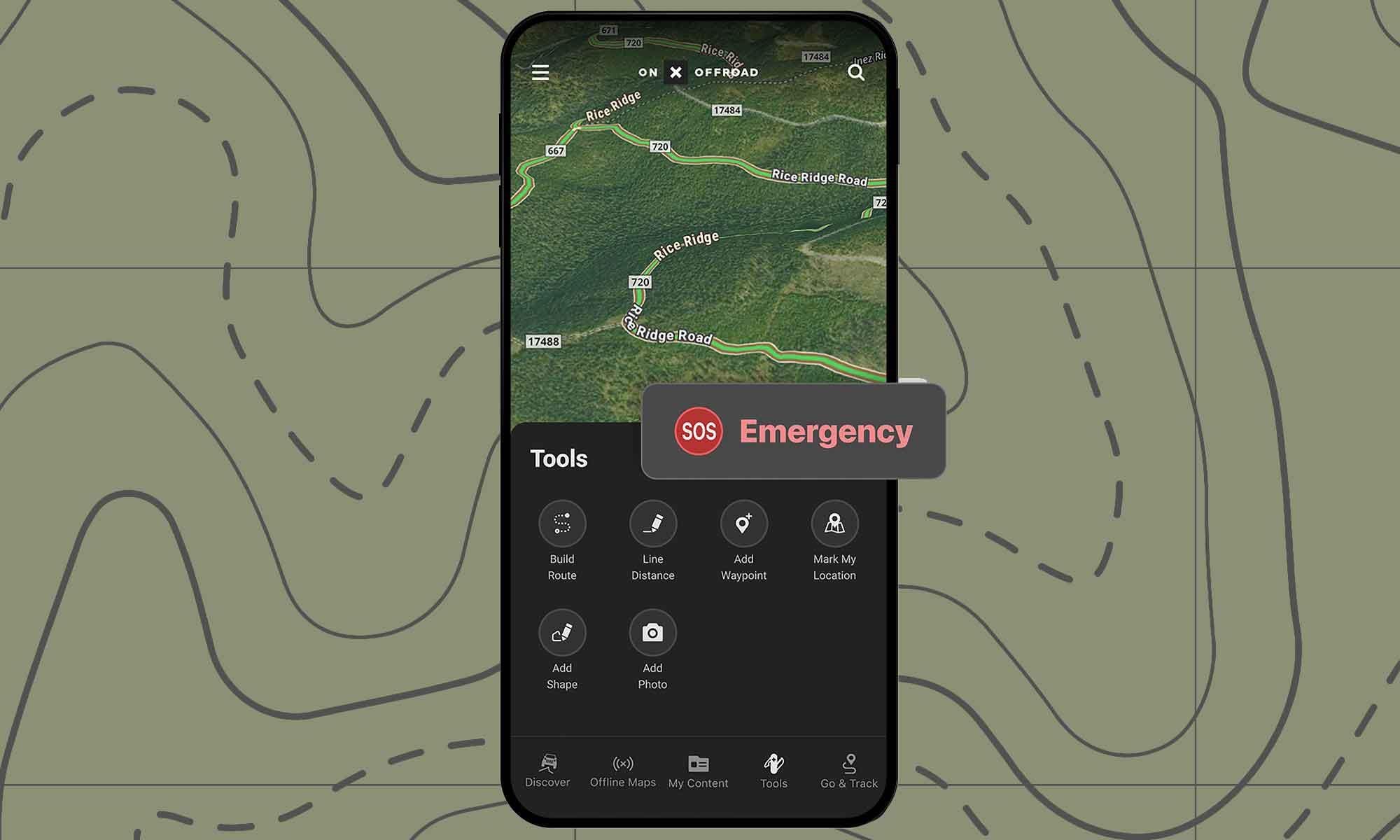
When you tap the SOS button in the app, three things happen:
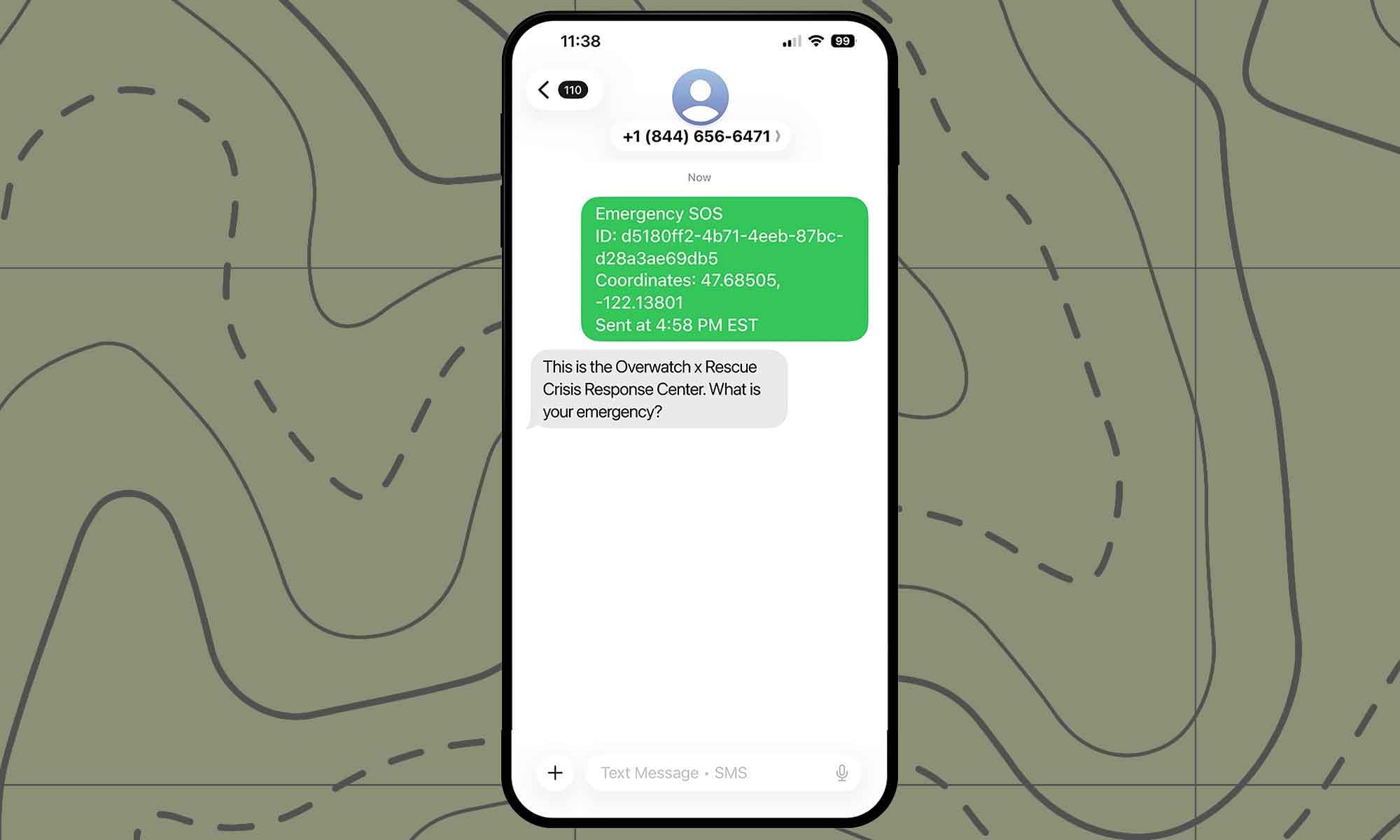
Your phone opens its native SMS app with a pre-loaded message containing your GPS coordinates and a few other fields the coordinator needs. You tap Send. The message goes over cellular — or satellite SMS if you have an active T-Satellite plan, a Verizon satellite plan, or an iPhone 14+ running iOS 18.5+ (which gets free satellite SOS from Apple). A coordinator at the Overwatch x Rescue Crisis Response Center replies by SMS. From there it's a real two-way conversation by text — what happened, the injury, the weather, where you are. The coordinator then engages local search and rescue, pays the eligible costs directly, and stays on the line with you until somebody physically reaches you.
Overwatch x Rescue is operated by FocusPoint International — a 15-year-old global emergency-response company that coordinates more than 15,000 rescues a year across 220+ countries. The Crisis Response Center is staffed by former military, medical, and first responders. They aren't a call center reading a script. They are the people who used to ride the helicopter.
So far, so good.
The headline number on the onX SOS marketing page is "Over $10M in rescue costs paid for subscribers." It's their own marketing number — but it matches what FocusPoint publishes, and the first-payer model (they pay the helicopter bill, you don't see it) is what matters to me. A helicopter ride in Wyoming runs $4,000 to $7,000 before the ambulance. A long rescue in the Sierra Nevada runs five figures. The first-payer model is the entire reason to carry this kind of rescue coverage.
The honest part — what it doesn't replace
Here's where I have to be the guy nobody likes at the campfire.
onX SOS still rides on your phone. It is not a satellite communicator. It is not a Garmin inReach. It is not an ACR ResQLink. It is software that uses your phone's texting pipeline to reach a rescue coordinator, and your phone has to be able to send that text — over cell or over satellite SMS — for any of it to work.
That distinction matters in three ways.
One. If your phone is dead, onX SOS is dead. The dead battery that stranded you also means you cannot push the button. A Garmin inReach Mini 2 has a battery that lasts 14 days. A Garmin inReach Messenger Plus goes longer. Your iPhone, doing GPS tracking, dies in about 8 hours on a cold night. We have all been there.
Two. If you don't have an active satellite plan or a recent enough iPhone for the free Apple satellite service, onX SOS only works when you have cell service. Which is exactly the moment when you don't need it, because cell service means you can also just call 911.
Three. Two-way SMS over satellite is slow. onX's FAQ is honest about this. In a true satellite-only environment, that conversation happens at satellite speed — 30 to 90 seconds between sends. It works. It is not fast.
The fix onX built in for the first two problems: you can register one backup satellite communicator to your onX SOS account — Garmin inReach, SPOT X, or Zoleo. The app sees it, the coordinator sees it, and if your phone is dead you can still push the button on the dedicated hardware.
That means onX SOS, set up properly, is not "phone only." It is "phone or any of three satellite messengers you can register to your account." Which is, frankly, the only honest way to pitch this product.
How the chain actually works, start to finish
I want to walk you through this the way I want it to work, because most product pages skip the boring middle.
At home, before the trip: - I buy the onX SOS add-on in the onX Offroad app. $49.99, separate from my $99.99 Elite membership. Auto-renews annually. - I'm redirected to the Overwatch x Rescue portal. I create a profile. I add an emergency contact (Cheryl, who is sick of me asking). I register my Garmin inReach Mini 2 as the backup device. - I run a Device Test Request from the OxR portal. This sends a test message to the Crisis Response Center and verifies the whole chain. onX says they "strongly recommend" this. I second that motion.
At the trailhead: - I open the onX app. Tap Tools in the bottom nav. The SOS button is right there. I don't tap it (I am at the trailhead, the coffee is good, life is fine). But I confirm it's visible.
If something goes wrong: - I tap SOS. The app shows what happens next. I tap Send SOS. - My iPhone's SMS app opens with a pre-loaded text containing my GPS coordinates. I tap Send. - A coordinator at the OxR Crisis Response Center replies within minutes over SMS. They ask questions. I answer. They engage local SAR, coordinate the helicopter, pay for it. I sit on the bumper of the truck and try not to make it worse.
This is roughly what I already do with the inReach Mini 2 — except that when I do it with the Mini 2, the device has its own GPS, its own Iridium satellite modem, and its own battery that I charged at home. With onX SOS, the device doing the work is my phone. If you want a deeper walk through the comms side of a trip kit, the Overland Bound wiki has a decent thread on what other people carry.
What about Apple Emergency SOS?
I asked onX about this directly. They were clear: Apple Emergency SOS is not the same thing. Apple's free service sends an alert to local 911 via satellite, but there is no two-way conversation with a coordinator, no engagement of search and rescue, no financial coverage.
In the worst-case scenario — backcountry injury, no cell, no Garmin, just an iPhone 14 or newer running iOS 18.5 or higher — Apple Emergency SOS will get a 911 operator a satellite text saying you're somewhere in a circle of latitude/longitude. That 911 operator has no idea what Overwatch x Rescue is, has no way to engage local SAR, and is not going to pay for the helicopter.
The two products do not compete. Apple is the last-resort button. onX SOS is the second-to-last-resort button that brings a coordinator.
What it costs, what it covers, what it doesn't
The pricing is the part that actually got me.
onX SOS is $49.99/year. A Garmin inReach Mini 2 is $399.95 for the hardware plus $14.95/month for the cheapest "Standard" Iridium plan, which is $179.40/year if you keep it active 12 months. The cheapest Garmin "Annual Standard" plan I can find right now is $179.40/year. The Iridium "Freedom" plan with annual commitment is $239.40/year. The Expedition plan is $839.40/year.
So onX SOS, with the inReach Mini 2 sitting in the drawer as the registered backup, runs $49.99/year plus whatever you're paying for the inReach messaging subscription. If you already have an inReach — and most serious overlanders do — the marginal cost of onX SOS is $49.99/year for the financial coverage and the coordinator.
That math is hard to argue with.
What's covered: eligible rescue, evacuation, and emergency transportation costs are paid directly by Overwatch x Rescue with no claims process, no deductibles, no out-of-pocket for covered services. The full terms are at the OxR Terms page — read them — but the headline is straightforward.
What's not covered: things that aren't a rescue. Medical follow-up after the rescue is on you. Lost gear is on you. A trip you had to cancel because the rig broke down and you needed a tow but no one had to come get you — that's on you too. This is emergency coverage, not trip insurance.
One fine-print gotcha: onX SOS is tied to your onX account, not a specific app. Buy it through Offroad, it works on Hunt and Backcountry too. Good. But your existing Overwatch x Rescue membership — if you bought direct from OxR — does not transfer. You have to buy the onX-bundled one. Annoying but not a deal-breaker.
Who this is for — and who it isn't
Three real readers I want to address directly.
You carry an inReach and keep the Iridium plan active. This is me. For you, onX SOS is the cheapest marginal upgrade to your backcountry safety net. Buy the $49.99 add-on. Register your inReach Mini 2 as the backup device in the OxR portal. Run the device test. You now have a redundant SOS path — your inReach hardware, your phone running onX, both pointed at the same coordinator. If your phone dies, your inReach works. If your inReach battery dies, your phone works. The coordinator is the same either way. This is the move.
You don't carry a satellite communicator because the subscription annoys you. Fair. The $14.95/month is real money, and the Garmin ecosystem has a learning curve. For you, onX SOS plus an iPhone 14+ on iOS 18.5 is a real upgrade from nothing. You'll get a coordinator, financial coverage, and a button in the app you already use to plan routes. But you still need a hardware backup. The cheap answer is the Garmin inReach Mini 2 — hardware is around $399.95, and Garmin's "Freedom" plan lets you suspend month-to-month. Activate for the trip, suspend when you're home. Register it to your onX SOS account as the backup. Now you have both.
You think Apple Emergency SOS is enough because it's free. Apple Emergency SOS will get a satellite text to a 911 dispatcher. The dispatcher will not know who you are, where you are exactly, or what Overwatch x Rescue is. No two-way conversation. No one engaging local search and rescue. No helicopter being paid for. Apple Emergency SOS is the last-resort button after every other option has failed. It is not a substitute for an SOS service that engages a real coordinator.
There's also a fourth reader — the one who runs solo into the desert for a week at a time, who already has every safety system known to man, who doesn't need this article at all. You know who you are. This isn't for you. But tell your buddy who thinks he's too tough for an SOS subscription to read it.

Should you get it?
Here's my honest read.
If you carry a Garmin inReach Mini 2 or Messenger and you have the Iridium subscription active, onX SOS is the cheapest rescue coverage you can buy. $49.99/year for a first-payer coordinator service on top of the hardware you already carry. Buy it.
If you do not carry an inReach because you don't love the $14.95/month fee and you don't want to learn the Garmin ecosystem, onX SOS is a real step up from no SOS at all — assuming you have a recent enough iPhone or an active T-Mobile or Verizon satellite plan. It is also still one dropped phone away from useless. Buy it, but also buy a cheap inReach Mini 2 as a glovebox backup and register it as your OxR backup device.
If you are the person who already has Apple Emergency SOS and you think that's enough — no. Apple Emergency SOS is the parachute. onX SOS is the helicopter. Buy it, and register a Garmin inReach Mini 2 as your backup, and tell Cheryl where the trailhead is.
The chain from button to coordinator is short, it works, and $49.99 a year is cheap for what it actually does. What it does not do is replace a dedicated satellite communicator with its own battery. Carry both.
If you carry a winch — and if you go far enough back, you should — the Warn R60-S review lays out the same kind of first-payer logic. The right recovery gear, the right comms gear, and now the right SOS subscription form a stack that costs less than one helicopter ride. If you're heading into a region where comms matter even more — say, Alaska or the Oregon backcountry — pair the SOS subscription with the ham radio overlanding setup I wrote up last month. Layered redundancy is what saves your ass.
The bottom line
I went in expecting to write "onX SOS is fine but you should still carry your inReach." I came out planning to keep my inReach and add onX SOS for $49.99 more a year. The reason is simple: the coordinator service is the part that matters when things go wrong, and the coordinator service on onX SOS is the real one — Overwatch x Rescue, FocusPoint International, 15,000 rescues a year.
What's missing is the dedicated hardware. What's new is that onX lets you register your existing inReach as the backup device, which closes the gap.
For 99% of overlanders reading this — onX SOS is worth the $49.99. Add it to your existing onX membership. Run the device test before you leave the driveway. Tell someone where you're going.
Stay safe out there.
Whiskey7backroads newsletter goes out every Friday — overland safety, gear, and route picks. Sign up at whiskey7backroads.com.
About the Author
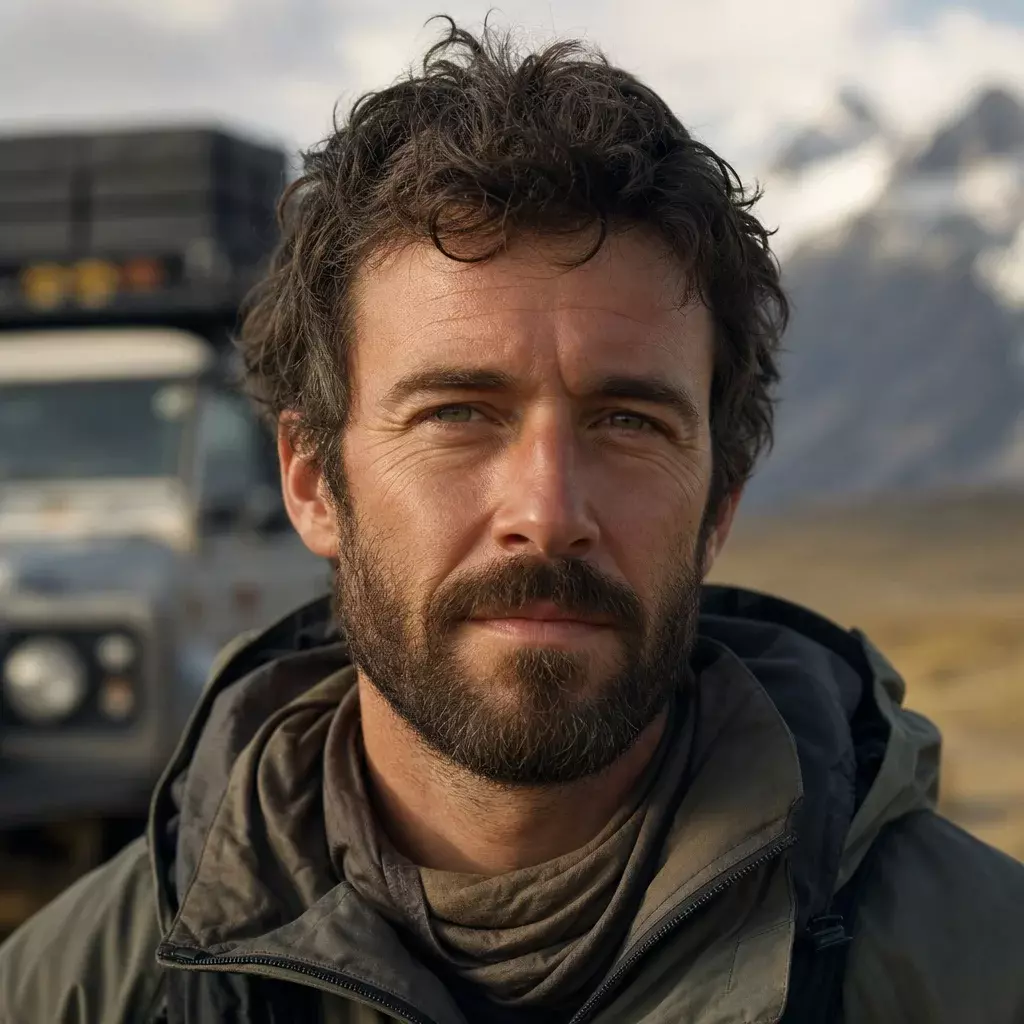
Steven Marty
My name is Steven Marty, I am a guest contributor to the Whiskey 7 Backroads blog.